

What are the effects of changing rims on car performance?
Jun 16, 2025
Leave a message
Changing rims on a car is not merely a cosmetic upgrade; it can significantly impact various aspects of a vehicle's performance. As a trusted rims on cars supplier, I've witnessed firsthand how different rim choices can transform a car's capabilities. In this blog, I'll delve into the effects of changing rims on car performance, covering areas such as handling, acceleration, braking, and fuel efficiency.
Handling
One of the most noticeable effects of changing rims is on a car's handling. The size and weight of the rims play crucial roles in how the vehicle responds to steering inputs and maneuvers.
Size Matters
Larger rims, such as 20inch Classic Design Alloy Wheels, can offer a wider contact patch between the tire and the road. This increased contact area provides better grip, especially during cornering. When a car is turning, the tires need to generate sufficient lateral force to keep the vehicle on the intended path. A wider contact patch allows for more effective transfer of this force, resulting in improved stability and reduced body roll.
However, it's important to note that larger rims often require lower-profile tires. These tires have less sidewall flex, which can make the ride harsher as they transmit more road imperfections to the cabin. On the other hand, smaller rims, like 18 Inch Casting Wheel Rims, typically come with higher-profile tires. The increased sidewall flex can absorb shocks better, providing a smoother ride but potentially sacrificing some handling precision.
Weight Considerations
The weight of the rims also affects handling. Lighter rims reduce the unsprung weight of the vehicle. Unsprung weight refers to the components of the car that are not supported by the suspension, including the wheels, tires, brakes, and part of the suspension itself. When the unsprung weight is reduced, the suspension can react more quickly to changes in the road surface. This means that the tires can maintain better contact with the road, improving traction and handling.
For example, alloy wheels are generally lighter than steel wheels. 5 Hole Alloy Car Wheel are a popular choice among car enthusiasts because they offer a good balance of strength and light weight. By replacing heavy steel rims with lighter alloy ones, drivers can experience more responsive steering and better overall handling performance.
Acceleration
Changing rims can also have an impact on a car's acceleration. The relationship between rim weight and acceleration is closely related to the concept of rotational inertia.
Rotational inertia is the resistance of an object to changes in its rotational motion. In the case of car wheels, heavier rims have a higher rotational inertia. This means that more energy is required to get the wheels spinning and to change their speed. When a car is accelerating, the engine has to work harder to overcome the rotational inertia of the wheels.
By switching to lighter rims, the engine doesn't have to expend as much energy to rotate the wheels. As a result, the car can accelerate more quickly. This is particularly beneficial in situations where rapid acceleration is needed, such as merging onto a highway or overtaking another vehicle.
However, it's important to consider the overall gearing and power of the vehicle. In some cases, changing the rim size can affect the speedometer calibration and the effective gear ratios. If the new rims are significantly larger or smaller than the original ones, it may be necessary to adjust the speedometer or even the transmission gearing to ensure optimal performance.
Braking
Braking performance is another area where changing rims can make a difference. The size and design of the rims can affect the heat dissipation of the brakes and the overall braking force.
Heat Dissipation
During braking, a large amount of heat is generated as the brake pads clamp down on the rotors. Efficient heat dissipation is crucial to prevent brake fade, which occurs when the brakes lose their effectiveness due to overheating.
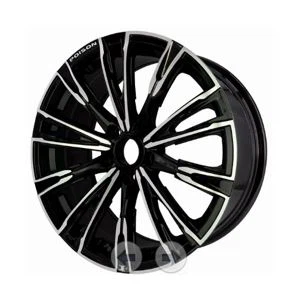

Larger rims often provide more space for larger brake components. This allows for better ventilation and heat dissipation. Additionally, some alloy rims are designed with special cooling channels or fins to enhance heat transfer. By improving heat dissipation, the brakes can maintain their performance for longer periods, especially during repeated or heavy braking.
Braking Force
The weight of the rims can also impact braking force. As mentioned earlier, lighter rims reduce the unsprung weight of the vehicle. This means that the brakes have to work less to slow down the wheels. With less rotational inertia to overcome, the brakes can apply the braking force more effectively, resulting in shorter stopping distances.
However, it's important to ensure that the new rims are compatible with the existing brake system. Installing rims that are too large or have the wrong offset can interfere with the brake calipers and prevent proper braking operation.
Fuel Efficiency
Fuel efficiency is a concern for many car owners, and changing rims can have an impact on this aspect as well. The relationship between rim choice and fuel efficiency is mainly related to weight and aerodynamics.
Weight and Fuel Consumption
As discussed earlier, lighter rims reduce the overall weight of the vehicle. A lighter car requires less energy to move, which means that the engine doesn't have to work as hard. This can result in improved fuel efficiency, especially in stop-and-go traffic or during city driving.
On the other hand, heavier rims increase the vehicle's weight and require more energy to accelerate and maintain speed. This can lead to higher fuel consumption, particularly if the car is driven in a more aggressive manner.
Aerodynamics
The design of the rims can also affect the aerodynamics of the vehicle. Some rims are designed with a more streamlined shape to reduce drag. By reducing drag, the car can move through the air more easily, which requires less energy from the engine. This can result in improved fuel efficiency, especially at higher speeds.
However, it's important to note that the impact of rim design on aerodynamics is relatively small compared to other factors such as the vehicle's body shape and driving conditions. Nevertheless, every little bit helps when it comes to improving fuel efficiency.
Conclusion
Changing rims on a car can have a significant impact on its performance in various areas, including handling, acceleration, braking, and fuel efficiency. As a rims on cars supplier, I understand the importance of choosing the right rims for your vehicle. Whether you're looking for improved handling, faster acceleration, better braking, or enhanced fuel efficiency, there are rims available to meet your needs.
If you're interested in upgrading your car's rims, I encourage you to contact me for more information. I can help you select the right rims based on your vehicle's make and model, as well as your specific performance requirements. Together, we can find the perfect rims to enhance your driving experience.
References
- Automotive Engineering Handbook, Society of Automotive Engineers
- Tire and Rim Association Yearbook
- Car and Driver Magazine, various issues
Send Inquiry