

What is the difference between aluminum alloy wheels for cars and SUVs?
May 19, 2025
Leave a message
Hey there! As a supplier of aluminum alloy wheels, I've been getting a lot of questions lately about the differences between aluminum alloy wheels for cars and SUVs. So, I thought I'd take a moment to break it down for you all.
Size and Dimensions
One of the most obvious differences between car and SUV aluminum alloy wheels is their size. SUVs are generally larger and heavier than cars, which means they need bigger wheels to support their weight and handle the additional stress. Car wheels typically range from 14 to 20 inches in diameter, while SUV wheels can go anywhere from 17 to 24 inches or even larger in some cases.
The width of the wheels also varies. SUV wheels are usually wider than car wheels. A wider wheel provides a larger contact patch with the road, which can improve traction, especially when the SUV is carrying a heavy load or is used for off - road driving. For example, a typical car wheel might be around 6 - 8 inches wide, while an SUV wheel could be 8 - 10 inches or more.
Load Capacity
Load capacity is a crucial factor when it comes to wheels. SUVs are designed to carry more passengers and cargo than cars. So, SUV aluminum alloy wheels need to have a higher load - bearing capacity.
The load capacity of a wheel is determined by its design, material thickness, and construction. Aluminum alloy wheels for SUVs are engineered to handle the extra weight. They are often made with thicker and stronger alloy materials compared to car wheels. This ensures that the wheels can support the weight of the SUV and its contents without deforming or failing.
Design and Aesthetics
Design is another area where car and SUV aluminum alloy wheels differ. Car wheels often focus on a sleek and sporty look. They may have intricate spoke designs, low - profile styles, and are sometimes designed to enhance the overall aerodynamics of the vehicle.
On the other hand, SUV wheels are often designed with a more rugged and aggressive look to match the vehicle's off - road or tough - looking nature. They might have larger, more solid spokes to give the impression of strength. Also, since SUVs are often used in different terrains, the wheels may be designed to be more resistant to damage from rocks, gravel, and other debris.
Performance Requirements
Cars and SUVs have different performance requirements, and this is reflected in their wheels. Cars, especially sports cars, are usually designed for speed and agility. Car wheels are optimized for handling at high speeds and quick turns. They need to be lightweight to reduce unsprung weight, which improves acceleration, braking, and steering response.
SUVs, however, are more focused on stability and off - road performance. While they also benefit from reduced unsprung weight, the emphasis is more on durability and the ability to handle rough terrain. SUV wheels need to be able to withstand impacts from potholes, rocks, and uneven surfaces. Some SUV wheels are even designed with features like bead locks to keep the tire securely attached to the wheel during extreme off - road maneuvers.
Cost
In general, SUV aluminum alloy wheels tend to be more expensive than car wheels. This is due to several factors. Firstly, the larger size and higher load - bearing capacity mean that more material is used in their production. Secondly, the specialized designs for off - road performance and the need for greater durability often require more advanced manufacturing processes.
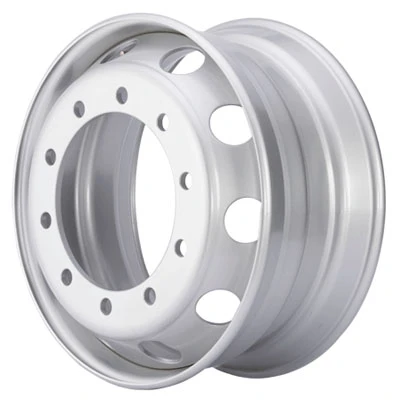
However, it's important to note that the cost can also vary depending on the brand, finish, and additional features of the wheels. There are high - end car wheels that can be just as expensive as some SUV wheels.
Compatibility
When it comes to compatibility, it's essential to choose the right wheels for your vehicle. Car wheels are not suitable for SUVs because they won't have the necessary load capacity and may not fit properly. Similarly, SUV wheels are usually too large and heavy for most cars.
Before purchasing new wheels, you need to consider factors such as the bolt pattern, offset, and center bore of the wheel. These specifications must match your vehicle's requirements to ensure a proper fit and safe operation.
Our Product Range
As an aluminum alloy wheel supplier, we offer a wide range of wheels for both cars and SUVs. We understand the unique needs of each vehicle type and strive to provide high - quality products.
For those interested in truck wheels, we also have a great selection. Check out our 22.5 *9.00 Steel Truck Wheel, 6.00 - 16 Steel Tube Wheel, and 22.5*13.00 Aluminum Wheel For Commercial Truck. These wheels are designed to meet the high - load requirements of commercial trucks.
Why Choose Our Aluminum Alloy Wheels
Our wheels are made from high - quality aluminum alloy materials. This ensures that they are lightweight yet strong, providing excellent performance and durability. We use advanced manufacturing techniques to produce wheels with precise dimensions and high - quality finishes.
Whether you're looking for a sleek and sporty look for your car or a rugged and aggressive style for your SUV, we have the perfect wheels for you. Our team of experts can also help you choose the right wheels based on your vehicle's specifications and your personal preferences.
Let's Connect
If you're in the market for new aluminum alloy wheels for your car or SUV, or if you have any questions about our products, don't hesitate to get in touch. We're here to help you find the best wheels for your needs. Contact us today to start the purchasing process and get the wheels that will take your vehicle to the next level.

References
- Automotive Wheel Manufacturing Handbook
- Car and Driver Magazine - Wheel Technology Articles
- SUV Enthusiast Forums - Discussions on Wheel Requirements
Send Inquiry