

How do new car sport rims handle potholes?
May 16, 2025
Leave a message
When it comes to enhancing the performance and aesthetics of a new car, sport rims are often a top choice for car enthusiasts. As a supplier of new car sport rims, I've witnessed firsthand the growing demand for these stylish and functional components. One of the most common concerns among car owners is how these new car sport rims handle potholes. In this blog post, I'll delve into this topic, exploring the factors that influence rim performance on potholed roads and providing insights based on my experience in the industry.
Understanding the Impact of Potholes on Rims
Potholes are a nuisance for drivers everywhere. They can cause a range of problems, from minor vibrations to significant damage to a vehicle's wheels and suspension. When a car hits a pothole, the impact is transferred from the tire to the rim. The force of the impact can cause the rim to bend, crack, or even break, depending on the size and depth of the pothole, the speed of the vehicle, and the design and construction of the rim.
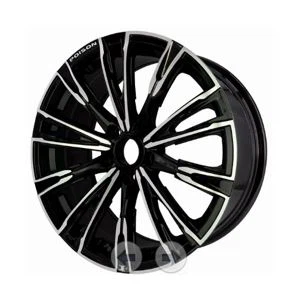
Factors Affecting Rim Performance on Potholed Roads
Rim Material
The material used to manufacture a rim plays a crucial role in its ability to withstand pothole impacts. Aluminum alloy is a popular choice for new car sport rims due to its lightweight, corrosion resistance, and excellent strength-to-weight ratio. However, not all aluminum alloys are created equal. High-quality alloys are more likely to absorb the shock of a pothole impact without deforming or cracking. For example, some advanced aluminum alloys are engineered to have better ductility, which allows them to bend slightly under stress and then return to their original shape.
Rim Design
The design of a rim can also affect its performance on potholed roads. Rims with a deeper lip or a more complex spoke pattern may be more prone to damage from potholes. This is because these designs can concentrate stress in certain areas of the rim, making them more vulnerable to bending or cracking. On the other hand, rims with a simple, sturdy design are generally more resistant to pothole damage. For instance, a rim with a wide, flat surface area can distribute the force of a pothole impact more evenly, reducing the risk of damage.
Rim Size and Offset
The size and offset of a rim can also influence its performance on potholed roads. Larger rims with lower-profile tires may provide better handling and a more aggressive look, but they are also more susceptible to pothole damage. This is because the shorter sidewall of a low-profile tire offers less cushioning, allowing more of the impact force to be transferred directly to the rim. Additionally, rims with a large offset can put more stress on the outer edge of the rim, increasing the risk of damage.
How Our New Car Sport Rims Are Engineered for Pothole Resistance
As a supplier of new car sport rims, we understand the importance of providing rims that can withstand the challenges of potholed roads. That's why we use only the highest-quality materials and state-of-the-art manufacturing processes to ensure the durability and performance of our rims.
Premium Aluminum Alloys
We source our aluminum alloys from trusted suppliers who adhere to strict quality standards. Our alloys are carefully selected for their strength, ductility, and corrosion resistance. By using premium alloys, we can ensure that our rims are able to absorb the shock of pothole impacts without deforming or cracking.
Optimized Design
Our team of engineers and designers work closely together to develop rims with an optimized design for pothole resistance. We use advanced computer-aided design (CAD) software to simulate the performance of our rims under various conditions, including pothole impacts. This allows us to make adjustments to the design to ensure that the rims can distribute the force of an impact evenly and minimize the risk of damage.
Rigorous Testing
Before our rims are released to the market, they undergo rigorous testing to ensure that they meet our high standards of quality and performance. We test our rims using a variety of methods, including impact testing, fatigue testing, and corrosion testing. This allows us to identify any potential issues and make improvements to the design and manufacturing process.

Examples of Our Pothole-Resistant Rims
5 Hole Alloy Car Wheel
Our 5 Hole Alloy Car Wheel is a popular choice among car owners who are looking for a stylish and durable rim that can handle potholes. This rim is made from a high-quality aluminum alloy and features a simple, sturdy design that is optimized for pothole resistance. The 5-hole pattern provides a secure fit and helps to distribute the force of an impact evenly across the rim.
5 Hole Alloy Car Wheel
Another great option is our 5 Hole Alloy Car Wheel from our factory. This rim is designed to be both lightweight and strong, making it ideal for high-performance vehicles. The factory uses advanced manufacturing techniques to ensure the quality and consistency of each rim. The 5-hole design provides excellent stability and helps to reduce the risk of damage from potholes.
15inch Rims for Cars
Our 15inch Rims for Cars are a great choice for those who want a smaller rim size that still offers excellent performance on potholed roads. These rims are made from a high-strength aluminum alloy and feature a design that is optimized for durability. The 15-inch size provides a good balance between handling and comfort, and the rims are able to absorb the shock of pothole impacts effectively.
Tips for Protecting Your Rims from Pothole Damage
In addition to choosing high-quality, pothole-resistant rims, there are several other steps you can take to protect your rims from damage:
- Drive cautiously: Avoid driving over potholes whenever possible. If you can't avoid a pothole, slow down and try to drive through it at an angle to reduce the impact.
- Maintain proper tire pressure: Keeping your tires properly inflated can help to absorb the shock of pothole impacts and reduce the risk of damage to your rims.
- Inspect your rims regularly: Check your rims for signs of damage, such as cracks, bends, or scratches. If you notice any damage, have it repaired or replaced as soon as possible.
- Consider using rim protectors: Rim protectors are a simple and affordable way to add an extra layer of protection to your rims. They can help to prevent scratches and dents from potholes and other road hazards.
Conclusion
As a supplier of new car sport rims, we are committed to providing our customers with high-quality, pothole-resistant rims that offer both style and performance. By understanding the factors that affect rim performance on potholed roads and taking steps to protect your rims, you can ensure that your new car sport rims will last for years to come.
If you're interested in learning more about our new car sport rims or would like to discuss your specific needs, please don't hesitate to contact us. We look forward to working with you to find the perfect rims for your vehicle.
References
- "The Effects of Potholes on Vehicle Wheels and Suspension," Journal of Automotive Engineering
- "Aluminum Alloys for Automotive Wheels: Properties and Performance," International Journal of Materials Science
- "Optimizing Rim Design for Pothole Resistance," Proceedings of the Society of Automotive Engineers
Send Inquiry