

Do steel wheels affect the handling of a vehicle?
Nov 27, 2025
Leave a message
Hey there, fellow auto enthusiasts! As a supplier of steel wheels, I've been getting a ton of questions lately about whether steel wheels affect a vehicle's handling. So, I thought I'd dive deep into this topic and share my insights with you all.
First off, let's talk about what handling actually means in the context of a vehicle. Handling refers to how well a vehicle responds to the driver's inputs, especially when it comes to steering, braking, and accelerating. A vehicle with good handling can take corners smoothly, maintain stability at high speeds, and stop quickly when needed.
Now, let's get into the nitty - gritty of how steel wheels might impact handling.
Weight Considerations
One of the most significant factors is the weight of the wheels. Steel wheels are generally heavier than their alloy counterparts. This extra weight can have both positive and negative effects on handling.
On the plus side, the additional weight can provide more stability, especially at high speeds. A heavier wheel has more inertia, which means it's less likely to be affected by minor road irregularities. This can result in a smoother ride and better straight - line stability. For example, if you're driving on a highway and there's a cross - wind, a vehicle with steel wheels might be less likely to get pushed around compared to one with lighter alloy wheels.
However, the extra weight also has its downsides. It can make the vehicle's suspension work harder. When you turn the steering wheel, the heavier steel wheels require more force to change direction. This can lead to a slower steering response, making the vehicle feel less agile. If you're into sports driving or need to make quick maneuvers, like in a city with tight corners, the heavier steel wheels might not be your best bet.
Strength and Durability
Steel wheels are known for their strength and durability. They can withstand a lot of abuse, whether it's from potholes, curbs, or heavy loads. This is a huge advantage when it comes to handling in certain situations.
For instance, if you're driving a truck or a commercial vehicle that regularly carries heavy loads, steel wheels are a great choice. Their robustness ensures that they can handle the extra stress without deforming. This means that the vehicle's handling characteristics remain consistent over time. You don't have to worry about a bent wheel affecting the alignment and, in turn, the handling of the vehicle.
On the other hand, the high strength of steel wheels can also be a double - edged sword. In some cases, a steel wheel might not absorb shocks as well as an alloy wheel. When hitting a pothole, the shock can be transferred more directly to the suspension and the rest of the vehicle. This can cause a harsher ride and potentially affect the handling by making the suspension components work harder to compensate for the sudden impact.
Tire Fitment and Balance
The type of tire you can fit on steel wheels and how well they can be balanced also play a role in handling. Steel wheels often come in a variety of sizes and configurations, which gives you more options for tire fitment.

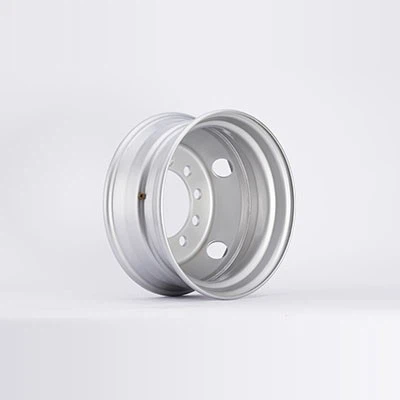
For example, you can find Steel Without Inner Tube 17.5*6.75 that are suitable for certain types of trucks. These wheels are designed to work well with specific tire sizes, which can optimize the contact patch between the tire and the road. A larger and more stable contact patch can improve traction, which is essential for good handling, especially when cornering or braking.
However, balancing steel wheels can sometimes be a bit more challenging compared to alloy wheels. If a wheel is not properly balanced, it can cause vibrations at certain speeds. These vibrations can not only be annoying but also affect the handling. They can make the steering feel loose or cause the vehicle to pull to one side, which is definitely not ideal for a smooth and safe driving experience.
Cost - Benefit Analysis
Let's not forget about the cost factor. Steel wheels are generally more affordable than alloy wheels. This makes them a popular choice for budget - conscious consumers and commercial vehicle operators.
If you're on a tight budget and still want a vehicle that can handle reasonably well, steel wheels can be a great option. You can get a decent set of 8.5 - 20 Steel Truck Wheel at a fraction of the cost of alloy wheels. With proper maintenance and tire selection, you can still achieve good handling performance.
But, if you're willing to spend more for better handling, alloy wheels might be worth the investment. They offer better performance in terms of steering response and shock absorption, which can enhance the overall driving experience.
Real - World Examples
To put all this into perspective, let's look at some real - world scenarios. Suppose you're a delivery driver. You're constantly on the road, carrying heavy loads, and dealing with various road conditions. In this case, steel wheels are a practical choice. Their durability and ability to handle heavy loads ensure that your vehicle's handling remains reliable over the long term. You don't have to worry about a wheel failing due to the constant stress of the job.
On the other hand, if you're a car enthusiast who loves taking your vehicle to the track on weekends, alloy wheels like 22.5 *8.25 Tubeless ALLOY Truck Wheels might be more up your alley. The lighter weight and better shock - absorbing properties of alloy wheels can give you a competitive edge when it comes to handling on the track.
Conclusion
So, do steel wheels affect the handling of a vehicle? The answer is yes, they do. But whether it's a positive or negative effect depends on a variety of factors, including your driving style, the type of vehicle, and the road conditions.
Steel wheels offer stability and durability, which can be great for heavy - duty applications and long - distance driving. However, they might sacrifice some agility and steering response compared to alloy wheels.
If you're in the market for new wheels and are considering steel wheels, I'd be more than happy to help you find the right set for your vehicle. Whether you're looking for a set of wheels for your daily driver or a commercial vehicle, we have a wide range of options to suit your needs. Just reach out to us, and we can start a conversation about your specific requirements. Let's work together to ensure that your vehicle has the best handling possible with our high - quality steel wheels.
References
- "Automotive Chassis Engineering" by Thomas D. Gillespie
- "Vehicle Dynamics: Theory and Application" by Rajesh Rajamani
Send Inquiry