

Do al wheels need to be replaced more often?
Nov 26, 2025
Leave a message
Do all wheels need to be replaced more often? This is a question that I, as an aluminum wheel supplier, often encounter from customers. In this blog, I'll delve into this topic from multiple perspectives, considering factors such as the type of wheels, usage conditions, and maintenance practices.
Types of Wheels and Their Durability
First, it's essential to understand that different types of wheels have varying lifespans. Aluminum wheels, which are my specialty, offer several advantages. They are lighter than steel wheels, which reduces the overall weight of the vehicle. This not only improves fuel efficiency but also puts less stress on other components of the vehicle, such as the suspension and brakes. For example, our 24.5*8.25 Aluminum Truck Wheel is designed to be strong and durable, with a high - quality finish that resists corrosion.
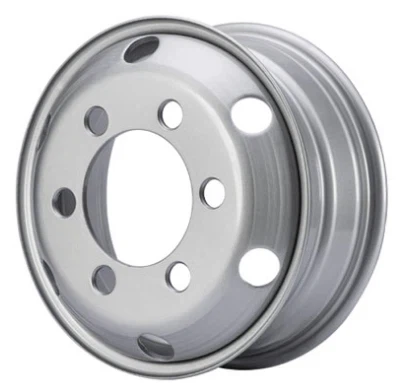
On the other hand, steel wheels are known for their robustness. They can withstand more abuse and are often used in heavy - duty applications. However, they are prone to rust if not properly maintained. The 19.5X7.5 Steel Tubeless Wheel is a popular choice for trucks that operate in tough environments, but it may require more frequent inspections to ensure its integrity.
Agricultural wheels, like our 10 Inch Agricultural Wheel, are designed to handle the unique challenges of the farming environment. They need to be able to grip the soil well and withstand the uneven terrain. These wheels may be subject to more wear and tear due to the nature of their use, but with proper care, they can still have a relatively long lifespan.
Usage Conditions
The frequency of wheel replacement is also highly influenced by how the wheels are used. Wheels on a daily commuter vehicle that drives on well - maintained roads will generally last longer than those on a vehicle used for off - roading or in harsh industrial settings.
For vehicles used in urban areas with stop - and - go traffic, the wheels are exposed to a lot of braking forces. This can cause uneven wear on the tires and potentially damage the wheels over time. In contrast, vehicles that mainly drive on highways at a constant speed experience less stress on the wheels.
Off - road vehicles, such as trucks used for mining or recreational four - wheeling, face a whole different set of challenges. The rough terrain, rocks, and mud can cause significant damage to the wheels. Cracks, bends, and scratches are common issues, and these wheels may need to be replaced more often.
Maintenance Practices
Proper maintenance can significantly extend the lifespan of wheels. Regular cleaning is crucial, especially for wheels that are exposed to road salt, dirt, and grime. Salt can accelerate corrosion, especially on steel wheels, and dirt can cause scratches on the wheel surface.
Tire rotation is another important maintenance task. By rotating the tires regularly, you ensure that the wear is distributed evenly across all four wheels. This not only extends the life of the tires but also the wheels themselves.
Balancing the wheels is also essential. Unbalanced wheels can cause vibrations, which can lead to premature wear on the tires, suspension, and wheels. It's recommended to have the wheels balanced at least once a year or whenever new tires are installed.
Signs That Wheels Need to Be Replaced
There are several signs that indicate it's time to replace your wheels. One of the most obvious signs is visible damage, such as cracks, bends, or deep scratches. Cracks can compromise the structural integrity of the wheel, and a bent wheel can cause handling problems and uneven tire wear.
Excessive corrosion is another red flag. If the corrosion has penetrated deep into the metal, it can weaken the wheel and make it unsafe to use.
Vibrations while driving can also be a sign of a problem with the wheels. If you feel a vibration in the steering wheel or the vehicle itself, it could be due to an unbalanced or damaged wheel.
When Replacement Is Necessary
While not all wheels need to be replaced more often, there are situations where replacement is necessary for safety reasons. For example, if a wheel has a crack that is visible to the naked eye, it should be replaced immediately. A cracked wheel can fail suddenly, which can lead to a serious accident.
In cases where the wheel has been severely bent, it may be impossible to repair it to its original specifications. In such situations, replacement is the best option.
Conclusion
In conclusion, not all wheels need to be replaced more often. The lifespan of wheels depends on the type of wheels, usage conditions, and maintenance practices. Aluminum wheels, when properly maintained, can last a long time and offer many benefits such as improved fuel efficiency and a stylish appearance. Steel wheels are durable but require more attention to prevent corrosion. Agricultural wheels need to be able to handle the unique challenges of the farming environment.
By understanding these factors and following proper maintenance procedures, you can ensure that your wheels last as long as possible. However, if you notice any signs of damage or wear, it's important to have the wheels inspected by a professional and replaced if necessary.

If you're in the market for high - quality wheels, whether it's for your truck on the highway, your agricultural equipment in the fields, or your off - road vehicle for adventure, I'm here to help. As an experienced wheel supplier, I can provide you with the best wheels that meet your specific needs. Contact me to start a procurement discussion and find the perfect wheels for your vehicles.
References
- Automotive Wheel Manufacturing and Design Handbook
- Tire and Wheel Maintenance Guide for Commercial Vehicles
- Agricultural Equipment Maintenance Manuals
Send Inquiry