

Can alloy wheels be used on trucks?
Oct 28, 2025
Leave a message
Yo, what's up everyone! I'm an alloy wheels supplier, and today I wanna chat about whether alloy wheels can be used on trucks. It's a question I get asked a lot, so let's dig into it.
First off, let's talk about what alloy wheels are. Alloy wheels are made from a mixture of aluminum or magnesium with other metals. They're different from the more common steel wheels you often see on trucks. Steel wheels are tough and durable, but alloy wheels have some unique features that might make them a good choice for trucks.
One of the biggest advantages of alloy wheels is their weight. Alloy wheels are generally lighter than steel wheels. When you're talking about a big truck, every bit of weight reduction can make a difference. A lighter wheel means less unsprung weight, which is the weight of the components not supported by the vehicle's suspension. With less unsprung weight, the truck's suspension can work more efficiently. This can lead to better handling, as the wheels can follow the contours of the road more closely. It also means less wear and tear on the suspension components over time.
Another benefit is the aesthetic appeal. Let's face it, alloy wheels just look cooler. They come in a variety of styles and finishes, from sleek and modern to more aggressive and sporty. If you're running a trucking business and want your fleet to stand out on the road, alloy wheels can give your trucks a more professional and eye - catching look.

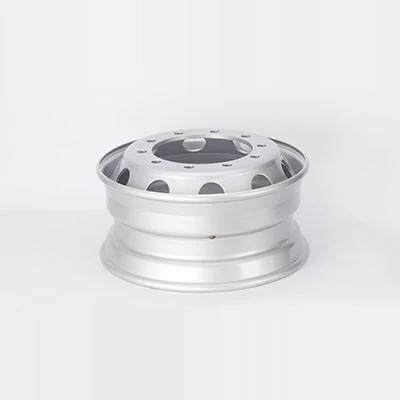
But it's not all sunshine and rainbows. Alloy wheels also have some drawbacks. They're generally more expensive than steel wheels. The cost of materials and the manufacturing process for alloy wheels are higher, which means you'll have to shell out more money upfront. And if you're running a large fleet of trucks, that cost can really add up.
Alloy wheels are also more prone to damage. They're not as strong as steel wheels when it comes to impacts. If you're driving on rough roads or in areas with a lot of potholes, there's a higher risk of bending or cracking an alloy wheel. And repairing an alloy wheel can be a bit more complicated and expensive than fixing a steel wheel.
Now, let's get into the technical side of things. When it comes to using alloy wheels on trucks, compatibility is key. You need to make sure that the alloy wheels you choose are the right size and have the correct bolt pattern for your truck. The size of the wheel is usually specified by two numbers, like 22.59.75 or 22.58.25. The first number is the diameter of the wheel in inches, and the second number is the width.
For example, a 22.5*9.75 Steel Tubeless WheeI has a specific set of dimensions that need to match the truck's requirements. Similarly, a 22.5*8.25 Aluminum Truck Wheel also needs to be properly sized and fitted. You also need to consider the load - rating of the wheel. Trucks carry heavy loads, so the wheels need to be able to support that weight safely.
When it comes to tire mounting, alloy wheels can work with both tubeless and tube - type tires. Tubeless tires are becoming more popular in the trucking industry because they're more convenient and have fewer maintenance issues. If you're interested in steel tubeless options, you can check out Steel Tubeless Truck Wheel.
In terms of performance in different weather conditions, alloy wheels have their pros and cons. In wet weather, the lighter weight of alloy wheels can help with braking performance. Since the wheels are lighter, the brakes don't have to work as hard to stop the vehicle. However, in extremely cold weather, alloy wheels can be more brittle and more likely to crack under stress.
So, can alloy wheels be used on trucks? The answer is yes, but it depends on your specific needs and circumstances. If you're a truck owner who values performance, looks, and can afford the higher cost, alloy wheels can be a great option. They can improve the handling and appearance of your truck. But if you're on a tight budget or drive in very harsh conditions, steel wheels might be a more practical choice.
If you're still not sure whether alloy wheels are right for your trucks, I'm here to help. I've been in the alloy wheels business for a long time, and I can offer you expert advice. Whether you need help with sizing, compatibility, or just want to learn more about the different options available, feel free to reach out. We can have a chat and figure out the best solution for your trucking needs. If you're interested in starting a purchase or just want to have a discussion about alloy wheels for your trucks, don't hesitate to get in touch.
References:
- General knowledge from the automotive industry
- Experience in the alloy wheels supply business
Send Inquiry