

Can alloy wheels be used in snowy conditions?
Jul 08, 2025
Leave a message
Alloy wheels have long been favored for their aesthetic appeal and performance benefits. As a leading alloy wheels supplier, I often receive inquiries from customers about the suitability of alloy wheels for snowy conditions. In this blog, I will delve into the science behind using alloy wheels in the snow, exploring their advantages, potential drawbacks, and essential considerations.
Advantages of Alloy Wheels in Snowy Conditions
1. Weight Advantage
Alloy wheels are generally lighter than their steel counterparts. This reduced weight can have several benefits in snowy conditions. Firstly, it improves the vehicle's handling and responsiveness. A lighter wheel requires less energy to turn, allowing the vehicle to accelerate, brake, and change directions more efficiently. This is particularly important on slippery snow - covered roads, where quick and precise control is crucial.
Secondly, the reduced unsprung weight (the weight of the components not supported by the vehicle's suspension) can enhance the suspension's ability to keep the tires in contact with the road surface. When driving over snow or ice, the tires need to conform to the irregularities of the road. A lighter wheel allows the suspension to react more quickly to changes in the road surface, improving traction.
2. Heat Dissipation
Alloy wheels have better heat - dissipating properties compared to steel wheels. When driving in snowy conditions, the friction between the tires and the road generates heat. This heat can cause the snow and ice on the road to melt slightly, creating a thin layer of water. If the heat is not dissipated effectively, it can lead to hydroplaning, where the tires lose contact with the road surface and glide on the water layer.

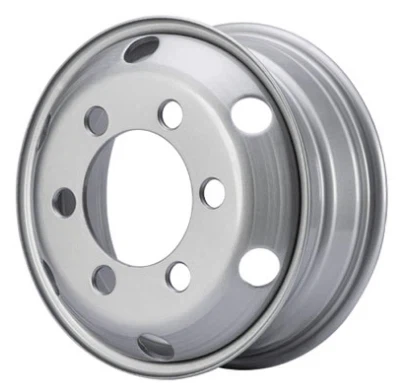
Alloy wheels can dissipate the heat more rapidly, reducing the risk of hydroplaning. Additionally, better heat dissipation helps to maintain the integrity of the tire tread. Tires that are overheated can wear out more quickly, and in snowy conditions, a well - maintained tread is essential for traction.
3. Corrosion Resistance
Snowy regions often use salt and de - icing agents on the roads to melt the snow and ice. These chemicals can be highly corrosive to metal wheels. Alloy wheels, especially those made from high - quality aluminum alloys, are more resistant to corrosion than steel wheels. This means that they can withstand the harsh winter environment better, maintaining their appearance and structural integrity over time.
Potential Drawbacks of Alloy Wheels in Snowy Conditions
1. Brittleness
Alloy wheels can be more brittle than steel wheels. In snowy conditions, there is a higher risk of hitting potholes or other road debris that may be hidden under the snow. A hard impact can cause an alloy wheel to crack or break. Steel wheels, on the other hand, are more malleable and can often withstand impacts without significant damage.
2. Cost
Alloy wheels are generally more expensive than steel wheels. If you live in an area with severe winter conditions where the risk of wheel damage is high, the cost of replacing a damaged alloy wheel can be a significant factor. This may make steel wheels a more cost - effective option for some drivers.
Essential Considerations for Using Alloy Wheels in Snowy Conditions
1. Tire Selection
The type of tires you use on your alloy wheels is crucial in snowy conditions. Winter tires are designed specifically for cold weather and snow. They have a special tread pattern and rubber compound that provides better traction on snow and ice compared to all - season tires.
When choosing winter tires, look for those with the "Three - Peak Mountain Snowflake" symbol. This symbol indicates that the tire meets the industry's requirements for severe snow service. Pairing high - quality winter tires with your alloy wheels can significantly improve your vehicle's performance in the snow.
2. Wheel Size and Design
The size and design of the alloy wheels can also affect their performance in snowy conditions. Smaller diameter wheels with a wider tire can provide better traction in the snow. A wider tire has a larger contact patch with the road surface, increasing the area of friction and improving grip.
Additionally, the design of the wheel should allow for proper snow and slush clearance. Wheels with a more open design are less likely to accumulate snow and ice, which can affect the balance and performance of the wheel.
3. Maintenance
Proper maintenance is essential when using alloy wheels in snowy conditions. After driving in the snow, it is important to clean the wheels thoroughly to remove any salt, dirt, or debris. Use a mild soap and water solution and a soft brush to clean the wheels. Avoid using abrasive cleaners or brushes, as they can scratch the surface of the alloy wheel, which can lead to corrosion.
Regularly check the wheels for any signs of damage, such as cracks or bends. If you notice any damage, it is important to have the wheel inspected and repaired or replaced as soon as possible.
Examples of Suitable Alloy Wheels for Snowy Conditions
As an alloy wheels supplier, we offer a range of wheels that are suitable for snowy conditions. For example, our 10 Inch Agricultural Wheel is designed with a sturdy construction and a tread - friendly design. It can handle the rough terrain and heavy loads often associated with winter driving, especially in rural areas.
Our Truck Wheel 19.5x7.50 is another excellent option. It has a balanced weight and a design that allows for good snow and slush clearance. This wheel is suitable for commercial trucks that need to operate in snowy conditions.
For those looking for a high - performance option, our 22.5*8.25 Aluminum Truck Wheel offers the benefits of alloy construction, including light weight and corrosion resistance. It is designed to provide excellent traction and handling in all weather conditions, including snow.
Conclusion
In conclusion, alloy wheels can be used in snowy conditions, and they offer several advantages such as weight reduction, heat dissipation, and corrosion resistance. However, they also have some potential drawbacks, such as brittleness and higher cost. By considering factors such as tire selection, wheel size and design, and proper maintenance, you can maximize the performance of your alloy wheels in the snow.
If you are interested in purchasing alloy wheels for your vehicle, especially for use in snowy conditions, please feel free to contact us for more information. Our team of experts is ready to assist you in selecting the right wheels for your needs. We can provide detailed product information, help you with installation, and offer after - sales support.
References
- "The Physics of Traction in Snowy Conditions" - Journal of Automotive Engineering
- "Alloy Wheels: Properties and Performance" - Metal Science and Technology Review
- "Winter Driving Tips and Wheel Maintenance" - National Highway Traffic Safety Administration
Send Inquiry