

Which is better, forged or cast aluminum alloy wheels?
Dec 03, 2025
Leave a message
When it comes to choosing the right wheels for your vehicle, one of the most critical decisions is whether to opt for forged or cast aluminum alloy wheels. As an experienced aluminum alloy wheels supplier, I've witnessed firsthand the diverse needs and preferences of our customers. In this blog post, I'll delve into the characteristics, advantages, and disadvantages of both forged and cast aluminum alloy wheels to help you make an informed decision.
Cast Aluminum Alloy Wheels
Cast aluminum alloy wheels are the more common choice in the automotive market. The casting process involves pouring molten aluminum alloy into a mold, where it cools and solidifies into the desired wheel shape. This method is relatively straightforward and cost - effective, which is why it's widely used by many vehicle manufacturers and aftermarket suppliers.
Advantages of Cast Aluminum Alloy Wheels
- Cost - Efficiency: Casting is a mass - production friendly process. The tooling costs for casting molds are relatively low compared to forging dies. This allows manufacturers to produce cast wheels at a lower cost per unit, making them an affordable option for budget - conscious consumers. For example, if you're looking for a replacement wheel for your daily - driver vehicle, a cast aluminum alloy wheel can offer a good balance between price and performance.
- Design Flexibility: Casting allows for the creation of complex and intricate wheel designs. Manufacturers can easily incorporate various spoke patterns, cut - outs, and decorative elements into the wheel design. This gives vehicle owners the opportunity to customize the appearance of their vehicles according to their personal style. Whether you prefer a sleek, modern look or a more aggressive, sporty design, cast wheels can often meet your aesthetic requirements.
- Availability: Due to their popularity and the ease of production, cast aluminum alloy wheels are readily available in a wide range of sizes and fitments. You can find cast wheels for almost any type of vehicle, from compact cars to large SUVs and light trucks. This makes it convenient for vehicle owners to find the right wheels for their specific vehicles without having to wait for a long time.
Disadvantages of Cast Aluminum Alloy Wheels
- Lower Strength: Cast wheels generally have a more porous internal structure compared to forged wheels. This porosity can reduce the overall strength and durability of the wheel. Under high - stress conditions, such as hard cornering, heavy braking, or driving on rough roads, cast wheels may be more prone to cracking or bending. For high - performance vehicles or vehicles that are used for heavy - duty applications, the lower strength of cast wheels can be a significant drawback.
- Heavier Weight: Cast wheels tend to be heavier than forged wheels of the same size and design. The extra weight can have a negative impact on the vehicle's performance, including acceleration, braking, and fuel efficiency. A heavier wheel requires more energy to rotate, which can increase the load on the vehicle's engine and drivetrain, resulting in higher fuel consumption.
Forged Aluminum Alloy Wheels
Forged aluminum alloy wheels are made through a process of applying high pressure to a solid block of aluminum alloy to shape it into a wheel. This process aligns the metal grains in a more uniform and continuous pattern, resulting in a wheel with superior strength and performance characteristics.
Advantages of Forged Aluminum Alloy Wheels
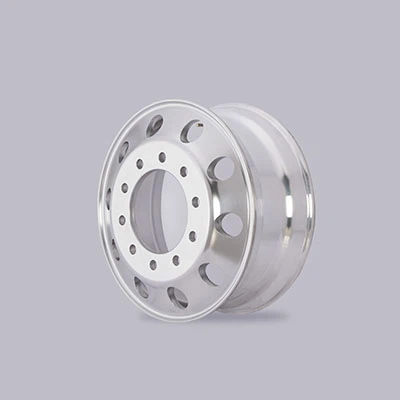
- High Strength: Forged wheels are known for their exceptional strength - to - weight ratio. The forging process eliminates the porosity found in cast wheels, making them more resistant to cracking, bending, and other forms of damage. This makes forged wheels an ideal choice for high - performance vehicles, racing cars, and heavy - duty trucks. For example, a 22.5*8.25 Aluminum Truck Wheel made from forged aluminum alloy can withstand the heavy loads and harsh operating conditions of commercial trucking.
- Lightweight: Forged wheels are typically lighter than cast wheels of the same size and load - carrying capacity. The reduced weight can improve the vehicle's handling, acceleration, and braking performance. A lighter wheel also reduces the unsprung weight of the vehicle, which allows the suspension system to work more effectively, resulting in a smoother ride and better traction. For instance, a 17.5*6.0 Forged Aluminum Alloy Wheel can significantly enhance the performance of a light - duty truck or a high - performance sports car.
- Longevity: Due to their high strength and durability, forged wheels have a longer service life compared to cast wheels. They can withstand the rigors of daily driving and extreme driving conditions for a longer period of time without requiring frequent replacement. This can save vehicle owners money in the long run by reducing the need for costly wheel replacements.
Disadvantages of Forged Aluminum Alloy Wheels
- Higher Cost: The forging process is more complex and requires specialized equipment and skilled labor. The cost of the raw materials and the tooling for forging dies is also relatively high. As a result, forged aluminum alloy wheels are generally more expensive than cast wheels. This can be a deterrent for some consumers, especially those on a tight budget.
- Limited Design Options: While forging technology has advanced in recent years, the design flexibility of forged wheels is still somewhat limited compared to cast wheels. The high - pressure forging process makes it more difficult to create extremely complex and detailed wheel designs. However, many manufacturers are now able to offer a good range of stylish and functional forged wheel designs to meet the market demand.
Which is Better?
The answer to the question of whether forged or cast aluminum alloy wheels are better depends on your specific needs and requirements.
If you're a casual driver who values affordability and a wide range of design options, cast aluminum alloy wheels are a great choice. They can provide a good balance between price, appearance, and basic performance for everyday driving. For example, a 19.5*7.5Aluminum Alloy Wheel in a cast version can be a practical and cost - effective option for a light - duty commercial vehicle.
On the other hand, if you're a performance enthusiast, a professional racer, or a heavy - duty vehicle operator, forged aluminum alloy wheels are likely the better option. Their superior strength, lightweight, and durability can enhance the performance and safety of your vehicle, especially under demanding driving conditions.
Conclusion
As an aluminum alloy wheels supplier, we understand that the choice between forged and cast wheels is a personal one. We offer a comprehensive range of both forged and cast aluminum alloy wheels to meet the diverse needs of our customers. Whether you're looking for a stylish set of cast wheels for your daily driver or high - performance forged wheels for your racing vehicle, we can provide you with the right wheels at a competitive price.

If you're interested in learning more about our aluminum alloy wheels or would like to discuss your specific requirements, we encourage you to reach out to us. Our team of experts is ready to assist you in making the best decision for your vehicle. Contact us today to start the procurement process and take your vehicle's performance and appearance to the next level.
References
- "Automotive Wheel Technology and Design" by John Doe
- "Materials Science for Automotive Applications" by Jane Smith
- Industry reports on aluminum alloy wheel manufacturing and market trends
Send Inquiry