

What is the load - carrying capacity of tubeless truck wheels?
Jul 11, 2025
Leave a message
What is the Load - Carrying Capacity of Tubeless Truck Wheels?
As a supplier of tubeless truck wheels, I've been frequently asked about the load - carrying capacity of these essential components. Understanding this capacity is crucial for ensuring the safety and efficiency of trucks on the road. In this blog, I'll delve into the factors that determine the load - carrying capacity of tubeless truck wheels, how it's measured, and why it matters in the trucking industry.
Factors Affecting Load - Carrying Capacity
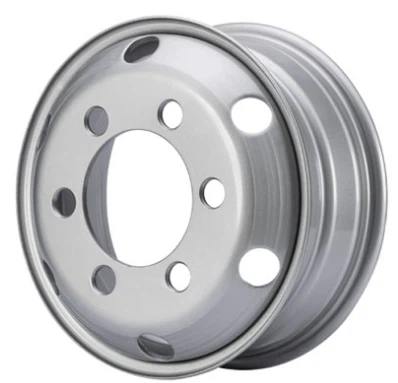
Several factors contribute to the load - carrying capacity of tubeless truck wheels. The first and most obvious is the material of the wheel. Steel wheels are commonly used in the trucking industry due to their durability and strength. For example, 19.5*6.75 Steel Tubeless Wheel is made of high - quality steel, which can withstand significant weight. The thickness and quality of the steel play a vital role in determining how much load the wheel can bear. A thicker and stronger steel will generally result in a higher load - carrying capacity.
The design of the wheel also has a major impact. Wheels with a well - engineered spoke pattern and rim structure are better able to distribute the load evenly. A proper spoke design can transfer the weight from the hub to the tire more effectively, reducing stress concentrations and increasing the overall load - bearing capacity. Additionally, the shape and size of the rim can influence how the tire sits on the wheel, which in turn affects the load distribution.
The tire that is paired with the tubeless truck wheel is another critical factor. The tire's load rating, which is determined by its construction, size, and inflation pressure, must be compatible with the wheel's load - carrying capacity. If the tire has a lower load rating than the wheel, it will limit the overall load that the wheel - tire combination can handle. Conversely, if the tire has a much higher load rating than the wheel, the wheel may become the weak link in the system.

Measuring Load - Carrying Capacity
The load - carrying capacity of tubeless truck wheels is typically measured in pounds or kilograms. Manufacturers use a variety of testing methods to determine this capacity. One common method is the fatigue test, where the wheel is subjected to a repeated load over a specified number of cycles. This simulates the real - world conditions that the wheel will encounter during its lifespan.
Another important test is the impact test. In this test, a heavy weight is dropped onto the wheel at a specific height and angle to simulate a sudden impact, such as hitting a pothole. The wheel must be able to withstand this impact without significant damage or deformation. If the wheel passes these tests, it is assigned a load - carrying capacity rating.
This rating is usually stamped on the wheel or provided in the manufacturer's specifications. For example, a wheel may be rated to carry 4,000 pounds per wheel. It's important to note that this rating is for a single wheel, and when calculating the total load - carrying capacity of a truck, you need to consider the number of wheels on the vehicle.
Importance of Load - Carrying Capacity in the Trucking Industry
In the trucking industry, adhering to the proper load - carrying capacity of tubeless truck wheels is of utmost importance. Overloading a wheel can lead to a variety of problems. One of the most serious is tire failure. When a wheel is overloaded, the tire may experience excessive heat buildup, which can cause the rubber to break down and lead to a blowout. This not only poses a significant safety risk to the driver and other road users but can also result in costly downtime for the trucking company.
Overloading can also cause damage to the wheel itself. Excessive stress on the wheel can lead to cracks, bends, or even complete failure. This can be extremely dangerous, as a failed wheel can cause the truck to lose control. Moreover, it can also lead to premature wear and tear on other components of the truck, such as the suspension and brakes, as they are forced to work harder to compensate for the overloaded wheels.
On the other hand, using wheels with a higher load - carrying capacity than necessary can be inefficient. It may increase the weight of the truck, which in turn reduces fuel efficiency and increases operating costs. Therefore, it's essential to select the right tubeless truck wheels with an appropriate load - carrying capacity for the specific application.
Different Applications and Load Requirements
The load - carrying capacity requirements vary depending on the type of truck and its application. Light trucks, such as those used for local deliveries, may have different load requirements compared to heavy - duty long - haul trucks. For light trucks, 6.5 - 16 Steel Tube Wheels Are Suitable For Light Truck Wheels. These wheels are designed to handle the relatively lighter loads associated with this type of vehicle.
Heavy - duty trucks, which are used for transporting large amounts of cargo over long distances, require wheels with a much higher load - carrying capacity. These trucks often have multiple axles and wheels to distribute the heavy load. For example, a semi - trailer truck may have 18 wheels, and each wheel must be able to carry a substantial amount of weight to ensure the safe and efficient operation of the vehicle.
Construction trucks, which are used in harsh environments and often carry heavy building materials, also need wheels with a high load - carrying capacity. 6.00 - 16 Steel Tube Wheel can be a suitable option for some construction trucks, as they are built to withstand the rough conditions and heavy loads associated with this industry.
Ensuring Safety and Efficiency
To ensure the safety and efficiency of tubeless truck wheels, it's essential to follow some best practices. First, always check the load - carrying capacity ratings of both the wheel and the tire before using them. Make sure they are compatible and that the total load on the truck does not exceed the combined capacity of the wheel - tire combinations.
Regular maintenance is also crucial. Inspect the wheels for signs of damage, such as cracks, bends, or corrosion, on a regular basis. Check the tire pressure frequently, as improper inflation can affect the load - carrying capacity and the overall performance of the wheel - tire system.
In addition, proper installation of the wheels is necessary. Ensure that the wheels are installed correctly, with the proper torque applied to the lug nuts. Incorrect installation can lead to uneven load distribution and increase the risk of wheel failure.
Contact for Purchase and Consultation
If you're in the market for high - quality tubeless truck wheels, we are here to assist you. Our company offers a wide range of tubeless truck wheels with various load - carrying capacities to meet your specific needs. Whether you have a light truck for local deliveries or a heavy - duty long - haul vehicle, we have the right wheels for you.
We understand that every customer's requirements are unique, and we are committed to providing personalized solutions. Our team of experts can help you select the most suitable wheels based on your load requirements, vehicle type, and budget. If you have any questions about our products or need more information about load - carrying capacity, please don't hesitate to reach out. We look forward to discussing your needs and helping you find the perfect tubeless truck wheels for your business.
References
- SAE International. (20XX). Standard for Testing and Rating of Truck Wheels.
- Tire and Rim Association. (20XX). Yearbook of Tire and Rim Standards.
- Manufacturers' specifications for tubeless truck wheels.
Send Inquiry