

What is the lifespan of rims of steel?
May 30, 2025
Leave a message
What is the lifespan of rims of steel? This is a question that not only concerns vehicle manufacturers and mechanics but also end - users. As a reliable supplier of steel rims, I'm here to shed light on this topic based on extensive industry knowledge and customer feedback.
Factors Affecting the Lifespan of Steel Rims
The lifespan of steel rims isn't a one - size - fits - all concept. There are multiple factors that come into play, some of them related to usage, others to the inherent material and construction of the rims.
Usage Conditions
The environments in which vehicles operate have a significant impact on the lifespan of steel rims. If a vehicle is primarily used on rough, uneven roads, the rims are more likely to experience dents and cracks. For instance, trucks that frequently traverse construction sites or unpaved rural roads face a higher risk of physical damage. Potholes, in particular, can be extremely detrimental. When a wheel hits a pothole at a high speed, the sudden impact can cause the steel rim to bend or even crack.
Another aspect of usage is the load that the vehicle carries. Overloading a vehicle puts excessive stress on the rims. Steel has its limits in terms of the weight it can support. When a vehicle constantly exceeds its recommended load capacity, the steel rims can gradually deform over time. For example, a delivery truck that often carries more cargo than it's designed for can lead to premature rim failure.
Material and Manufacturing Quality
The quality of the steel used in rim production is crucial. High - grade steel, usually with certain alloy compositions and proper heat - treatment, is more resistant to corrosion and mechanical stress. Rims made from lower - quality steel are more likely to rust and develop structural weaknesses.
The manufacturing process also greatly affects the lifespan. Precise manufacturing ensures that the rim is balanced and has uniform thickness. If there are any flaws in the manufacturing, such as weak welds or uneven material distribution, it can lead to premature failure. For example, a poorly welded seam on a rim may start to come apart under normal driving conditions.

Maintenance
Proper maintenance can significantly extend the lifespan of steel rims. Regular cleaning is essential. Dirt, grime, and road salt can accumulate on the rims, which can cause corrosion over time, especially in areas with cold climates where salt is used on the roads during winter. Moreover, checking the tire pressure regularly is important. Incorrect tire pressure can put additional stress on the rims. Under - inflated tires can cause the rims to come into contact with the road surface more frequently, increasing the risk of damage. On the other hand, over - inflated tires can cause the rims to bear uneven pressure, leading to deformation.
Typical Lifespan Estimates
Under normal usage conditions, with proper maintenance, steel rims can last anywhere from 10 to 15 years. However, this is just a rough estimate, and some rims may last longer or shorter depending on the factors mentioned above.
Commercial vehicles, such as trucks and buses that are in continuous operation, may have a shorter rim lifespan. On average, their rims may need to be replaced every 5 to 10 years. This is because they often carry heavy loads and operate for long hours on various road surfaces.
For passenger cars used primarily for daily commuting on well - maintained roads, the steel rims can usually last the entire useful life of the vehicle, which is often around 15 to 20 years. But if the car is driven aggressively or frequently encounters harsh road conditions, the lifespan of the rims may be significantly reduced.
Our High - Quality Steel Rims
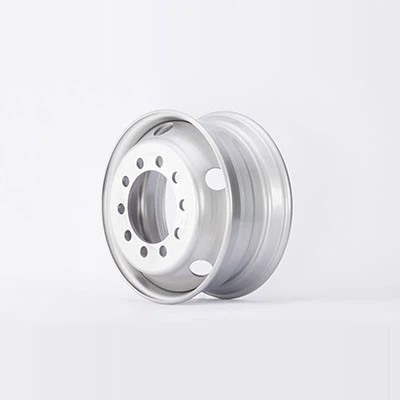
As a supplier of steel rims, we offer a wide range of high - quality products. Some of our popular models include the Steel Without Inner Tube 17.5*6.75, the 22.5*11.75 tubeless Steel Truck Wheel, and the 22.5*7.5 Steel Tubeless Wheel.
Our rims are made from high - grade steel, which undergoes strict quality control during the manufacturing process. We use advanced heat - treatment techniques to enhance the strength and durability of the steel. This ensures that our rims can withstand the rigors of different usage conditions, whether it's heavy - duty commercial applications or daily passenger car use.
In addition, our rims are designed with precision to ensure optimal balance and even weight distribution. This reduces the stress on the tires and the rims themselves, further extending their lifespan. We also offer rims with anti - corrosion coatings, which provide an extra layer of protection against rust and environmental damage.
Contact Us for Purchase and Consultation
If you are in the market for high - quality steel rims, we invite you to reach out to us. Whether you are a vehicle manufacturer looking for a reliable supplier, a mechanic in need of quality replacement parts, or an end - user wanting to upgrade your rims, we have the products to meet your needs.
We are committed to providing excellent customer service. Our team of experts can assist you in choosing the right rims for your specific requirements, based on factors such as vehicle type, load capacity, and usage environment.
You can contact us to discuss your purchase requirements and get more detailed product information. We look forward to establishing a long - term business relationship with you and helping you achieve optimal performance and longevity for your vehicles.
References
- "The Vehicle Wheel Handbook." Society of Automotive Engineers (SAE) International.
- Research papers on steel fatigue and corrosion resistance in automotive applications.
- Industry reports on automotive wheel manufacturing and usage statistics.
Send Inquiry