

What is the inflation pressure for pneumatic agricultural wheels?
Sep 03, 2025
Leave a message
Hey there! As a supplier of agricultural wheels, I often get asked about the inflation pressure for pneumatic agricultural wheels. It's a crucial topic because getting the right inflation pressure can make a huge difference in the performance, durability, and overall efficiency of your agricultural equipment.
First off, let's understand what pneumatic agricultural wheels are. These are the wheels that are filled with air, just like the tires on your car. The air inside the wheel acts as a cushion, absorbing shocks and providing a smoother ride on uneven terrain. They're commonly used on tractors, combines, and other farm machinery.
So, what's the deal with inflation pressure? Well, it's not a one - size - fits - all situation. The ideal inflation pressure for pneumatic agricultural wheels depends on several factors.
Load Capacity
One of the most important factors is the load that the wheel will be carrying. If you're using the wheel on a tractor that's hauling heavy loads of grain or towing large implements, you'll need a higher inflation pressure. The extra pressure helps the wheel support the weight without deforming too much. For example, if you're using a DW28*30 Tractor Wheel to carry a heavy load, you might need to inflate it to a relatively high pressure compared to a lighter - duty application.
On the other hand, if the load is light, like when a small tractor is used for simple tasks around the farm, a lower inflation pressure can be used. This allows the wheel to have a larger contact area with the ground, which can improve traction and reduce soil compaction.
Terrain
The type of terrain you're operating on also plays a big role. If you're working on soft, muddy ground, a lower inflation pressure is usually better. The wheel can spread out more, increasing its footprint on the ground and reducing the chance of getting stuck. The larger contact area distributes the weight of the equipment more evenly, preventing the wheel from sinking too deeply.
In contrast, if you're on hard, flat surfaces like a paved road or a well - compacted dirt path, a higher inflation pressure is more appropriate. It reduces rolling resistance, which means the equipment can move more easily and use less fuel. For instance, if you need to transport your agricultural machinery on a road, inflating the W10*24 Tractor Wheel to a higher pressure can save you some energy.
Tire Size and Design
Different tire sizes and designs have different recommended inflation pressures. Larger wheels may require different pressures than smaller ones, even if they're carrying the same load. The design of the tire, such as the tread pattern and the sidewall construction, also affects the optimal inflation pressure.
Some agricultural wheels are designed with a specific purpose in mind. For example, a wheel with a deep, aggressive tread pattern might be better suited for off - road, rough terrain. These wheels may need a different inflation pressure compared to a wheel with a smoother tread for more general - purpose use. The Agricultural Wheel Hub also plays a part in how the wheel performs, and it can influence the inflation pressure requirements.
How to Determine the Right Inflation Pressure
So, how do you figure out the right inflation pressure for your pneumatic agricultural wheels? The first step is to check the manufacturer's recommendations. The manufacturer usually provides a range of inflation pressures based on different load and operating conditions. This information can be found in the product manual or on a label attached to the wheel.
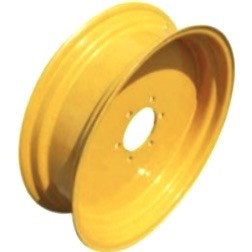

You can also consult with an agricultural equipment expert. They have experience dealing with different types of wheels and can give you more personalized advice based on your specific needs. Additionally, you can use a tire pressure gauge to measure the current pressure and adjust it as needed.
The Consequences of Incorrect Inflation Pressure
Using the wrong inflation pressure can have some serious consequences. If the pressure is too low, the wheel can overheat. This is because the sidewalls of the tire flex more than they should, generating heat. Overheating can lead to premature tire wear and even tire failure. Low inflation pressure can also cause the wheel to deform, which can affect the handling of the equipment and increase the risk of an accident.
On the other hand, if the pressure is too high, the wheel has a smaller contact area with the ground. This reduces traction, especially on soft or slippery surfaces. It can also cause uneven wear on the tire tread, shortening the lifespan of the wheel.
Maintaining the Right Inflation Pressure
Once you've determined the right inflation pressure, it's important to maintain it. Regularly check the tire pressure, especially before starting any heavy - duty work. Changes in temperature can also affect the pressure, so it's a good idea to check more frequently during extreme weather conditions.
If you notice that the pressure is dropping over time, there might be a leak in the wheel. You should inspect the wheel for any signs of damage, such as cuts or punctures, and repair them as soon as possible.
Conclusion
In conclusion, the inflation pressure for pneumatic agricultural wheels is a complex but important topic. It depends on factors like load capacity, terrain, tire size, and design. Getting the right pressure can improve the performance, durability, and safety of your agricultural equipment.
If you're in the market for high - quality agricultural wheels or need more advice on inflation pressure, don't hesitate to reach out. We're here to help you find the best solutions for your farming needs. Whether you need a DW28*30 Tractor Wheel, an Agricultural Wheel Hub, or a W10*24 Tractor Wheel, we've got you covered. Contact us today to start the procurement process and let's work together to make your farming operations more efficient!
References
- Agricultural Tire Manufacturers Association (ATMA) guidelines
- Various agricultural equipment product manuals
Send Inquiry