

What is the difference between cast and forged new car sport rims?
May 15, 2025
Leave a message
As a seasoned supplier of new car sport rims, I've witnessed firsthand the evolution of automotive wheel technology. One of the most common questions I encounter from car enthusiasts and potential buyers is about the difference between cast and forged new car sport rims. In this blog, I'll delve into the details, exploring the manufacturing processes, characteristics, and applications of these two types of rims to help you make an informed decision for your vehicle.
Manufacturing Processes
Cast Rims
Cast rims are produced through a casting process, which involves pouring molten metal into a mold. This is a relatively straightforward and cost - effective method. There are two main types of casting used for car rims: gravity casting and low - pressure casting.

In gravity casting, the molten metal is simply poured into the mold under the force of gravity. It's the most basic form of casting and is often used for lower - cost rims. However, it can result in inconsistencies in the metal's density and structure, which may lead to weaker areas in the rim.
Low - pressure casting, on the other hand, uses a small amount of pressure to force the molten metal into the mold. This method produces a more uniform and denser structure compared to gravity casting, resulting in stronger and more reliable rims. Most cast rims on the market today are made using the low - pressure casting method.
Forged Rims
Forged rims are manufactured through a forging process. This starts with a solid block of aluminum or other alloy, which is heated and then shaped under extreme pressure using a forging press. The intense pressure compresses the metal grains, aligning them in a specific direction. This results in a very dense and uniform metal structure.
The forging process can be further divided into two types: open - die forging and closed - die forging. Open - die forging involves shaping the metal between two flat dies, while closed - die forging uses dies that are shaped to the final form of the rim. Closed - die forging is more commonly used for car rims as it allows for more precise shaping.
Characteristics
Strength and Durability
Forged rims are significantly stronger and more durable than cast rims. The aligned metal grains in forged rims give them better resistance to impact and fatigue. They can withstand higher stress and are less likely to crack or break under extreme driving conditions, such as high - speed racing or off - road driving.
Cast rims, while generally strong enough for everyday driving, are more prone to damage. The inconsistent metal structure in some cast rims can lead to weak points that may fail under heavy stress. However, with modern low - pressure casting techniques, the strength of cast rims has improved significantly, making them suitable for most normal driving applications.
Weight
Forged rims are typically lighter than cast rims. The dense and uniform structure of forged rims allows for a more efficient use of material, reducing the overall weight without sacrificing strength. A lighter rim means less unsprung weight on the vehicle, which can improve acceleration, braking, and handling. It also reduces the load on the suspension system, leading to a smoother ride.
Cast rims, due to their less efficient material distribution, are usually heavier. However, advancements in casting technology have also led to the development of lightweight cast rims, which can offer a good balance between cost and performance.
Cost
Cost is a significant factor when choosing between cast and forged rims. Cast rims are generally more affordable. The casting process is less complex and requires less expensive equipment, which translates into lower production costs. This makes cast rims a popular choice for budget - conscious consumers and for vehicles where high - end performance is not a top priority.
Forged rims, on the other hand, are more expensive. The forging process requires specialized equipment and more labor - intensive manufacturing steps. The cost of the raw materials used in forging is also relatively high. As a result, forged rims are often reserved for high - performance vehicles and for car enthusiasts who are willing to pay a premium for the best in terms of strength and weight savings.
Aesthetics
Both cast and forged rims can offer a wide range of aesthetic options. Cast rims can be easily mass - produced with various designs and finishes, including painted, polished, and chrome - plated. They can be customized to match the style of different vehicles, from sporty coupes to SUVs.
Forged rims also come in a variety of designs, but they often have a more high - end and sophisticated look. The smooth surface and precise contours of forged rims are a result of the forging process, which can give a vehicle a more luxurious appearance.

Applications
Cast Rims
Cast rims are the most common type of rims used on everyday vehicles. They are suitable for normal driving conditions, such as commuting, city driving, and occasional highway trips. Their affordability and wide range of design options make them a popular choice for original equipment manufacturers (OEMs) and aftermarket consumers alike. For example, if you're looking for a stylish and cost - effective upgrade for your daily driver, 14 Inch Alloy Car Rims or 5 Hole Alloy Car Wheel in cast form would be a great option.
Forged Rims
Forged rims are the preferred choice for high - performance and luxury vehicles. They are commonly used in racing cars, sports cars, and high - end SUVs. The strength and lightweight properties of forged rims are essential for these vehicles, as they can handle the high speeds, sharp turns, and heavy loads associated with high - performance driving. If you own a high - end sports car and want to enhance its performance and appearance, 20inch Classic Design Alloy Wheels in forged form would be an excellent investment.
Making the Right Choice
When deciding between cast and forged new car sport rims, you need to consider your driving needs, budget, and personal preferences. If you're an average driver who mainly uses the car for daily commuting and occasional trips, cast rims are a practical and cost - effective choice. They offer a good balance between performance, aesthetics, and affordability.
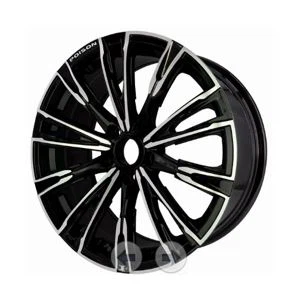
However, if you're a car enthusiast who values high - performance driving, such as track days or high - speed driving on open roads, or if you own a luxury or high - performance vehicle, forged rims are worth the investment. They provide superior strength, lighter weight, and a more premium look.
Contact for Purchase and Negotiation
If you're interested in purchasing new car sport rims, whether cast or forged, I'm here to assist you. I can provide you with detailed product information, competitive prices, and excellent customer service. Feel free to reach out to discuss your specific requirements and start the negotiation process.
References
- Automotive Wheel Technology Handbook, various industry experts
- Journal of Automotive Engineering, research on wheel manufacturing processes
- Interviews with leading wheel manufacturers in the industry
Send Inquiry