

What are the safety considerations for car wheels?
Jan 12, 2026
Leave a message
As a car wheels supplier, I've seen firsthand the impact that proper wheel safety can have on both the driver and the vehicle. Car wheels are not just a cosmetic addition to your car; they play a crucial role in ensuring a safe and smooth driving experience. In this blog post, I'll discuss the key safety considerations for car wheels that every driver and car enthusiast should be aware of.
Wheel Material and Construction
The material and construction of car wheels are fundamental to their safety. Most modern car wheels are made from either steel or alloy. Steel wheels are known for their durability and strength. They can withstand heavy loads and are less likely to crack under stress, making them a popular choice for commercial vehicles and off - road applications. However, they are heavier than alloy wheels, which can affect fuel efficiency and handling.
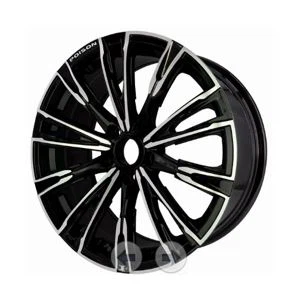
Alloy wheels, on the other hand, are made from a combination of aluminum or magnesium with other metals. They are lighter, which improves the vehicle's acceleration, braking, and fuel economy. Additionally, alloy wheels offer better heat dissipation, which is crucial for braking performance. For example, 18 Inch Casting Wheel Rims are often made from high - quality alloy materials. The casting process ensures a precise and uniform structure, reducing the risk of weak points that could lead to wheel failure.
Wheel Size and Fitment
One of the most critical safety considerations is the proper wheel size and fitment for your vehicle. Using the wrong wheel size can have a significant impact on the car's handling, braking, and overall safety. The wheel size is determined by two main factors: diameter and width.
The diameter of the wheel must match the size specified by the vehicle manufacturer. A larger - diameter wheel may cause the speedometer to read inaccurately, and it can also interfere with the vehicle's suspension and braking components. Conversely, a smaller - diameter wheel may not provide enough clearance for the brakes, leading to overheating and reduced braking performance.
The width of the wheel also affects the vehicle's handling. A wider wheel can provide more stability, but it may also increase the risk of tire sidewall damage if the tire is not properly matched. It's essential to choose the right wheel width based on the vehicle's make and model, as well as the type of driving you do. For instance, if you're looking for a compact and well - fitting option, 14 Inch Alloy Car Rims could be a great choice for the appropriate vehicles.
Tire Installation and Maintenance
The tires are the only contact point between the vehicle and the road, so proper tire installation and maintenance are vital for wheel safety. When mounting tires on wheels, it's crucial to follow the manufacturer's guidelines. The tires must be inflated to the recommended pressure, which is typically found on a sticker inside the driver's door or in the vehicle's owner's manual.
Under - inflated tires can lead to increased tire wear, reduced fuel efficiency, and poor handling. Over - inflated tires, on the other hand, can cause a harsh ride and reduce the tire's contact area with the road, increasing the risk of skidding. Regularly checking the tire pressure and tread depth is essential for safe driving.
In addition to pressure and tread, tire rotation is another important maintenance task. Rotating the tires helps to ensure even wear across all four tires, extending their lifespan and improving the vehicle's handling.
Wheel Balancing and Alignment
Wheel balancing and alignment are often overlooked but are incredibly important for wheel safety. Wheel balancing involves adding small weights to the wheel to ensure that it rotates evenly. An unbalanced wheel can cause vibrations in the steering wheel, seat, or floorboard, especially at high speeds. These vibrations not only make the driving experience uncomfortable but can also lead to premature tire wear and damage to the suspension components.
Wheel alignment, on the other hand, refers to adjusting the angles of the wheels so that they are perpendicular to the ground and parallel to each other. Proper wheel alignment ensures that the tires wear evenly and that the vehicle drives straight without pulling to one side. Misaligned wheels can cause uneven tire wear, reduced fuel efficiency, and poor handling, increasing the risk of accidents.
Corrosion and Wear
Corrosion and wear are common issues that can affect the safety of car wheels. Alloy wheels are particularly susceptible to corrosion, especially in areas where road salt is used during the winter. Corrosion can weaken the wheel structure, leading to cracks and eventual failure.
Regular cleaning and maintenance can help prevent corrosion. It's important to use a mild soap and water to clean the wheels, avoiding harsh chemicals that can damage the wheel finish. Inspecting the wheels regularly for signs of wear, such as cracks, dents, or excessive corrosion, is also crucial. If any damage is detected, the wheel should be replaced immediately.
Load Capacity
Every wheel has a specified load capacity, which indicates the maximum weight that the wheel can safely support. Exceeding the load capacity can put excessive stress on the wheel, increasing the risk of failure. When loading your vehicle, it's important to consider the weight distribution and ensure that the total weight does not exceed the combined load capacity of all four wheels.
For example, if you're planning a long - distance trip with a lot of luggage, make sure that your wheels can handle the additional weight. If you're unsure about the load capacity of your wheels, consult the vehicle's owner's manual or contact a professional.
Impact Resistance
Car wheels need to be able to withstand various impacts on the road, such as hitting potholes or curbs. Impact - resistant wheels are designed to absorb and distribute the force of an impact, reducing the risk of damage. Alloy wheels with proper construction techniques, like 5 Hole Alloy Car Wheel, are often engineered to be more impact - resistant.
However, even the most impact - resistant wheels can be damaged if subjected to severe impacts. If you hit a large pothole or curb, it's important to have your wheels inspected for damage as soon as possible. A damaged wheel may not be obvious at first glance, but it can pose a significant safety risk over time.

In conclusion, ensuring the safety of car wheels requires attention to detail and regular maintenance. From choosing the right wheel material and size to proper tire installation, balancing, and alignment, every aspect plays a crucial role in keeping you safe on the road. As a car wheels supplier, we are dedicated to providing high - quality wheels that meet the strictest safety standards. If you're in the market for new car wheels or have any questions about wheel safety, we encourage you to contact us for more information and to start a purchasing discussion.
References
- "Automotive Wheel Engineering Handbook". Society of Automotive Engineers.
- "Tire and Wheel Safety Guidelines". National Highway Traffic Safety Administration.
Send Inquiry