

What are the disadvantages of steel wheels?
Jul 01, 2025
Leave a message
As a steel wheel supplier, I've spent years immersed in the industry, understanding the ins and outs of steel wheels. While steel wheels have their undeniable advantages, it's crucial to also shed light on their disadvantages. This knowledge not only helps customers make informed decisions but also allows us to address concerns and offer solutions.
Weight and Fuel Efficiency
One of the most significant drawbacks of steel wheels is their weight. Steel is denser than many other materials used in wheel manufacturing, such as aluminum. A heavier wheel adds to the overall weight of the vehicle, which in turn requires more energy to move. This increased energy demand directly translates to higher fuel consumption.
According to a study by the Department of Energy, for every 100 pounds of additional weight in a vehicle, fuel efficiency can decrease by up to 2%. In the long run, this can result in substantial costs for vehicle owners, especially those who drive long distances or operate large fleets. For example, a commercial truck that uses steel wheels instead of lighter alternatives may consume significantly more fuel over its lifetime, leading to higher operating expenses.
Corrosion and Rust
Steel wheels are highly susceptible to corrosion and rust, especially when exposed to harsh environmental conditions. Moisture, salt, and chemicals can all accelerate the rusting process, which not only affects the appearance of the wheels but also their structural integrity. Rust can weaken the steel, making the wheels more prone to failure.
In regions with cold climates, where roads are often salted during the winter, steel wheels are at an even greater risk. The salt used to melt ice and snow can cause rapid corrosion, leading to pitting and flaking of the wheel surface. This not only makes the wheels look unsightly but can also compromise their safety. Regular maintenance, such as washing and waxing, can help slow down the rusting process, but it requires time and effort.
Limited Aesthetic Appeal
Compared to other types of wheels, such as alloy wheels, steel wheels generally have a more utilitarian and less stylish appearance. Their design options are often limited, and they typically have a more basic and plain look. This can be a drawback for vehicle owners who are looking to enhance the aesthetic appeal of their vehicles.
Alloy wheels, on the other hand, offer a wide range of designs and finishes, allowing for greater customization. They can be machined, polished, or painted to create a unique and eye-catching look. For many consumers, the appearance of their vehicle is an important factor, and the limited aesthetic options of steel wheels may not meet their expectations.
Higher Unsprung Weight
Unsprung weight refers to the weight of the components that are not supported by the vehicle's suspension system, including the wheels, tires, and brakes. Steel wheels have a higher unsprung weight compared to lighter alternatives, which can have a negative impact on the vehicle's handling and ride quality.
A higher unsprung weight makes it more difficult for the suspension system to maintain contact with the road surface. This can result in a rougher ride, reduced traction, and increased wear and tear on the suspension components. In addition, the increased inertia of the heavier wheels can make it more challenging to accelerate and decelerate quickly, affecting the vehicle's overall performance.
Cost of Repair and Replacement
While steel wheels are generally less expensive to purchase than alloy wheels, the cost of repair and replacement can be higher. When a steel wheel is damaged, it may be more difficult and costly to repair compared to an alloy wheel. In some cases, a damaged steel wheel may need to be completely replaced, which can be a significant expense.
Alloy wheels, on the other hand, are often more easily repairable. Minor dents and scratches can be repaired using specialized techniques, and the cost of replacement parts is often lower. This can make alloy wheels a more cost-effective option in the long run, especially for vehicles that are prone to damage.
Compatibility with Advanced Tire Technologies
As tire technologies continue to evolve, some advanced tire features may not be fully compatible with steel wheels. For example, tubeless tires, which are becoming increasingly popular due to their safety and performance benefits, may require a specific type of wheel design to function properly.
Steel wheels may not be designed to work optimally with tubeless tires, which can lead to issues such as air leakage and reduced tire performance. In contrast, alloy wheels are often designed with the latest tire technologies in mind, ensuring a better fit and compatibility. This can be a disadvantage for vehicle owners who want to take advantage of the latest tire advancements.
Conclusion
While steel wheels have been a popular choice for many years due to their durability and affordability, they do come with several disadvantages. Their weight, susceptibility to corrosion, limited aesthetic appeal, higher unsprung weight, cost of repair and replacement, and compatibility issues with advanced tire technologies are all factors that need to be considered when choosing wheels for a vehicle.
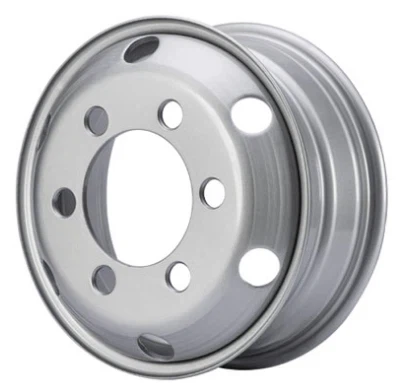

As a steel wheel supplier, I understand the importance of providing customers with accurate information so that they can make the best decision for their needs. While steel wheels may not be the ideal choice for every application, they still have their place in the market, especially for vehicles that require a robust and reliable wheel.
If you're considering purchasing steel wheels, I encourage you to explore our range of products, including the 16.5*5.5 Tubeless Steel Wheel, 6.00-16 Steel Tube Wheel, and 19.5X7.5 Steel Tubeless Wheel. Our team of experts is also available to answer any questions you may have and help you find the right wheels for your vehicle. Feel free to reach out to us to discuss your requirements and start a procurement negotiation.
References
- Department of Energy. (Year). Impact of Vehicle Weight on Fuel Efficiency. Retrieved from [Department of Energy Website]
- Automotive Industry Journal. (Year). Comparison of Steel and Alloy Wheels: Performance and Cost Analysis.
Send Inquiry