

What are the aerodynamic features of some truck rims?
Oct 22, 2025
Leave a message
What are the aerodynamic features of some truck rims?
As a leading truck rim supplier, I've witnessed firsthand the transformative impact of aerodynamics on the performance of commercial vehicles. In the highly competitive world of trucking, every advantage counts, and aerodynamic truck rims have emerged as a key factor in enhancing fuel efficiency, reducing emissions, and improving overall driving performance. This blog will delve into the aerodynamic features of some of our most popular truck rims, exploring how they contribute to a more sustainable and efficient transportation future.
The Basics of Aerodynamics in Truck Rims
Before we dive into the specific features of our truck rims, it's essential to understand the basics of aerodynamics and how it relates to truck performance. Aerodynamics is the study of how air flows around an object, and in the context of truck rims, it focuses on minimizing air resistance or drag. When a truck is in motion, it encounters air resistance, which requires additional energy to overcome. By reducing this drag, aerodynamic truck rims can help trucks move more efficiently through the air, resulting in improved fuel efficiency and reduced CO2 emissions.
Aerodynamic Features of Our Truck Rims
Streamlined Design
One of the primary aerodynamic features of our truck rims is their streamlined design. Traditional truck rims often have a flat or open design, which can create turbulence and increase drag as air flows around the wheel. In contrast, our rims are engineered with a smooth, contoured surface that helps to guide air smoothly over the wheel, reducing turbulence and drag. This streamlined design not only improves aerodynamics but also enhances the overall aesthetics of the truck.
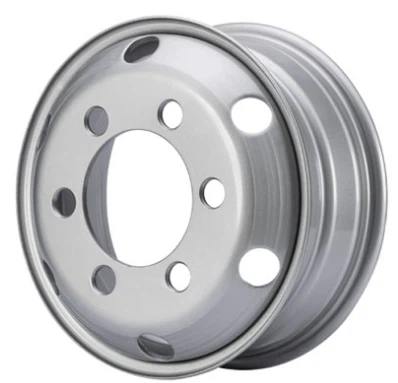
For example, our STEEL WITHOUT INNER TUBE19.50x14.00 rim features a sleek, aerodynamic profile that is specifically designed to minimize air resistance. The smooth surface of the rim reduces the formation of eddies and vortices, allowing air to flow more freely around the wheel and reducing drag. This results in improved fuel efficiency and a more comfortable driving experience.
Spoke Design
The spoke design of a truck rim also plays a crucial role in its aerodynamic performance. Spokes are the bars that connect the hub of the wheel to the outer rim, and their shape, size, and number can significantly impact air flow. Our truck rims are designed with optimized spoke patterns that help to reduce drag and improve aerodynamics.
For instance, our 17.5x6.75 Tubeless Steel Truck Wheel features a unique spoke design that is both strong and aerodynamic. The spokes are designed to be as thin as possible while still maintaining the necessary structural integrity, which helps to reduce air resistance. Additionally, the spoke pattern is carefully engineered to guide air smoothly through the wheel, further reducing drag.
Rim Width and Diameter
The width and diameter of a truck rim can also affect its aerodynamic performance. Generally, wider rims tend to create more drag than narrower rims, as they present a larger surface area to the oncoming air. However, the optimal rim width and diameter will depend on a variety of factors, including the size and weight of the truck, the type of tires being used, and the driving conditions.
Our Steel without Inner Tube 6jx16 rim is designed with an optimized width and diameter to provide a balance between aerodynamics and performance. The narrow width of the rim helps to reduce drag, while the larger diameter provides a larger contact patch with the road, improving traction and handling.
Benefits of Aerodynamic Truck Rims
Improved Fuel Efficiency
One of the most significant benefits of aerodynamic truck rims is improved fuel efficiency. By reducing drag, these rims allow trucks to move more efficiently through the air, requiring less energy to maintain a given speed. This translates into lower fuel consumption and cost savings for trucking companies.
Studies have shown that aerodynamic truck rims can improve fuel efficiency by up to 5%, depending on the specific design and driving conditions. Over the course of a year, this can result in significant savings in fuel costs, especially for long-haul trucking operations.
Reduced Emissions
In addition to improving fuel efficiency, aerodynamic truck rims also help to reduce CO2 emissions. As trucks consume less fuel, they produce fewer greenhouse gas emissions, which is beneficial for the environment. By investing in aerodynamic truck rims, trucking companies can play a role in reducing their carbon footprint and contributing to a more sustainable transportation future.

Enhanced Driving Performance
Aerodynamic truck rims can also enhance the overall driving performance of trucks. By reducing drag, these rims can improve acceleration, braking, and handling, making trucks more responsive and easier to drive. Additionally, the reduced turbulence around the wheels can help to reduce noise and vibration, providing a more comfortable driving experience for truck drivers.
Conclusion
In conclusion, aerodynamic truck rims offer a range of benefits for trucking companies, including improved fuel efficiency, reduced emissions, and enhanced driving performance. As a truck rim supplier, we are committed to providing our customers with high-quality, aerodynamic rims that are designed to meet the specific needs of their trucks. Our STEEL WITHOUT INNER TUBE19.50x14.00, 17.5x6.75 Tubeless Steel Truck Wheel, and Steel without Inner Tube 6jx16 rims are just a few examples of our innovative products that are engineered to deliver superior aerodynamic performance.
If you're interested in learning more about our aerodynamic truck rims or would like to discuss your specific requirements, please don't hesitate to contact us. We look forward to working with you to help you achieve your goals of improved efficiency, sustainability, and performance in your trucking operations.
References
- SAE International. (20XX). Aerodynamics of Heavy Vehicles: Trucks, Buses, and Trains.
- Society of Automotive Engineers. (20XX). Fuel Efficiency Improvements for Heavy-Duty Trucks and Buses.
- International Council on Clean Transportation. (20XX). Global Fuel Economy Initiative: Heavy-Duty Vehicle Efficiency.
Send Inquiry