

How to properly install steel wheels?
Oct 13, 2025
Leave a message
Properly installing steel wheels is crucial for ensuring the safety, performance, and longevity of your vehicle. As a trusted steel wheel supplier, we understand the significance of a correct installation process. In this blog post, we'll guide you through the steps of properly installing steel wheels, covering everything from preparation to final checks.
Preparation
Before you start the installation process, it's essential to gather all the necessary tools and materials. Here's a list of items you'll need:

- A jack and jack stands
- A lug wrench or impact wrench
- A torque wrench
- A wheel chock
- A clean cloth
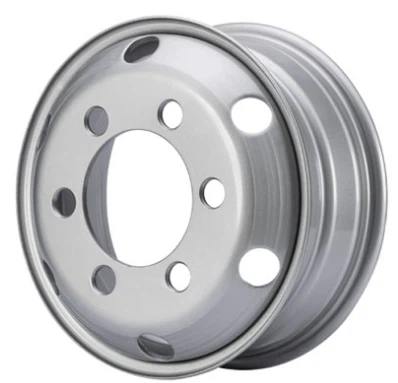
- The new steel wheels
- New lug nuts (if required)
Ensure that the steel wheels you've chosen are compatible with your vehicle. Check the wheel size, bolt pattern, and offset to make sure they match your vehicle's specifications. You can find this information in your vehicle's owner's manual or by contacting the manufacturer.
Safety First
Safety should always be your top priority when working on your vehicle. Park your vehicle on a flat, stable surface and engage the parking brake. Place wheel chocks in front of and behind the wheels on the opposite end of the vehicle from where you'll be working. This will prevent the vehicle from rolling while you're installing the wheels.
Removing the Old Wheels
- Loosen the Lug Nuts: Use a lug wrench or impact wrench to loosen the lug nuts on the wheel you're replacing. Do not remove them completely at this stage; just loosen them enough so that they can be turned by hand.
- Jack Up the Vehicle: Position the jack under the designated jacking point for your vehicle. Slowly raise the vehicle until the wheel is about 6-8 inches off the ground. Place the jack stands under the vehicle's frame or designated support points and lower the vehicle onto the jack stands.
- Remove the Lug Nuts and Old Wheel: Once the vehicle is safely supported on the jack stands, remove the lug nuts completely and carefully remove the old wheel from the vehicle. Place the old wheel aside in a safe location.
Preparing the New Wheels
- Inspect the New Wheels: Before installing the new steel wheels, inspect them for any damage or defects. Check the wheel surface for scratches, dents, or cracks, and ensure that the valve stem is intact.
- Clean the Wheel Mounting Surface: Use a clean cloth to wipe the wheel mounting surface on the vehicle's hub. Remove any dirt, rust, or debris to ensure a proper fit between the wheel and the hub.
- Install the Lug Nuts: If your new wheels require new lug nuts, install them onto the wheel studs. Make sure the lug nuts are tightened by hand until they are snug.
Installing the New Wheels
- Position the New Wheel: Carefully position the new steel wheel onto the wheel studs on the vehicle's hub. Align the holes in the wheel with the wheel studs and ensure that the wheel is centered on the hub.
- Tighten the Lug Nuts: Use a lug wrench or impact wrench to tighten the lug nuts onto the wheel studs. Tighten the lug nuts in a star pattern to ensure even tightening and prevent the wheel from warping. Do not overtighten the lug nuts at this stage; just tighten them enough so that the wheel is secure on the hub.
- Lower the Vehicle: Once the lug nuts are tightened, slowly lower the vehicle off the jack stands using the jack. Remove the jack stands and lower the vehicle completely to the ground.
- Final Torque Check: Use a torque wrench to check the torque of the lug nuts to the manufacturer's specifications. This is an important step to ensure that the lug nuts are tightened to the correct torque, which helps prevent the wheel from coming loose while driving.
Additional Tips
- Balance the Wheels: After installing the new steel wheels, it's recommended to have the wheels balanced. Wheel balancing helps ensure a smooth ride and reduces wear on the tires and suspension components.
- Check the Tire Pressure: Make sure to check the tire pressure in the new wheels and adjust it to the manufacturer's recommended pressure. Proper tire pressure is essential for optimal performance and safety.
- Inspect the Wheels Regularly: Regularly inspect your steel wheels for any signs of damage or wear. Check the wheel surface for scratches, dents, or cracks, and ensure that the lug nuts are tightened properly.
Conclusion
Properly installing steel wheels is a straightforward process that can be completed with the right tools and knowledge. By following the steps outlined in this blog post, you can ensure a safe and successful wheel installation. Remember to always prioritize safety and follow the manufacturer's instructions when working on your vehicle.
If you're in the market for high-quality steel wheels, we're here to help. As a leading steel wheel supplier, we offer a wide range of 8.50-24 Steel Wheel, 19.5*6.75 Steel Tubeless Wheel, and 22.5*13.00 Aluminum Wheel For Commercial Truck to meet your needs. Contact us today to discuss your requirements and learn more about our products and services.
References
- "Automotive Wheel Installation Guide," published by the Automotive Aftermarket Industry Association (AAIA).
- "How to Install Wheels on Your Car," article from Popular Mechanics magazine.
- Vehicle owner's manuals for various makes and models.
Send Inquiry