

How do steel wheels perform in different weather conditions?
Sep 24, 2025
Leave a message
Yo, what's up! I'm a supplier of steel wheels, and I've seen firsthand how these bad boys perform in all sorts of weather conditions. In this blog, I'm gonna break down how steel wheels hold up when the weather throws all kinds of curveballs at 'em.
Sunny Days
Let's start with the easy stuff – sunny days. When the sun's shining bright, steel wheels are pretty much in their element. The dry and warm conditions are ideal for these wheels. They don't expand or contract too much, which means they maintain their shape and performance.
On sunny days, the traction on steel wheels is usually spot - on. The rubber on the tires grips the road well, and the steel wheels provide a stable base. Whether you're driving a truck with 22.5*9.00 Truck And Bus Wheel or using an Agriculture Steel Wheel Rim on a tractor, you're gonna have a smooth ride.
The low humidity also helps prevent rusting on the steel wheels. As long as the wheels are properly coated, they can withstand the sun's rays without any major issues. And let's not forget about the aesthetics. Steel wheels look pretty cool in the sunlight, giving your vehicle that tough and durable look.
Rainy Weather
Now, when it starts to rain, things get a little more interesting. The first thing you'll notice is that the traction can be affected. The water on the road creates a layer between the tires and the surface, reducing the grip. But steel wheels are pretty good at handling this.
They have a solid construction that helps distribute the weight evenly across the tire. This means that even in wet conditions, the tires are more likely to maintain contact with the road. However, you still need to be careful. The braking distance will be longer, so you gotta give yourself more space between you and the vehicle in front.
One of the downsides of rainy weather is the potential for rust. If the steel wheels aren't protected well, the water can start to eat away at the metal. That's why it's important to have a good quality coating on the wheels. Some steel wheels come with a special anti - rust treatment that can really help in these situations.
Snow and Ice
Snow and ice are the real tests for steel wheels. In cold temperatures, steel can become a bit more brittle. But don't worry, modern steel wheels are designed to handle these extreme conditions.
When it comes to traction, steel wheels paired with the right winter tires can be a game - changer. The weight of the steel helps to push the tires into the snow, providing better grip. You can see this in action with trucks using 22.5*9.00 Truck And Bus Wheel on snowy highways. They're able to maintain control and keep moving forward.
However, the salt and chemicals used to melt the ice on the roads can be a problem. These substances can corrode the steel wheels over time. Regular cleaning is essential to remove the salt and prevent rust. You might also want to consider a wheel sealant to add an extra layer of protection.
Extreme Heat
Extreme heat can also take a toll on steel wheels. In very hot weather, the metal can expand. This might not seem like a big deal at first, but if the expansion is too much, it can affect the balance of the wheel.
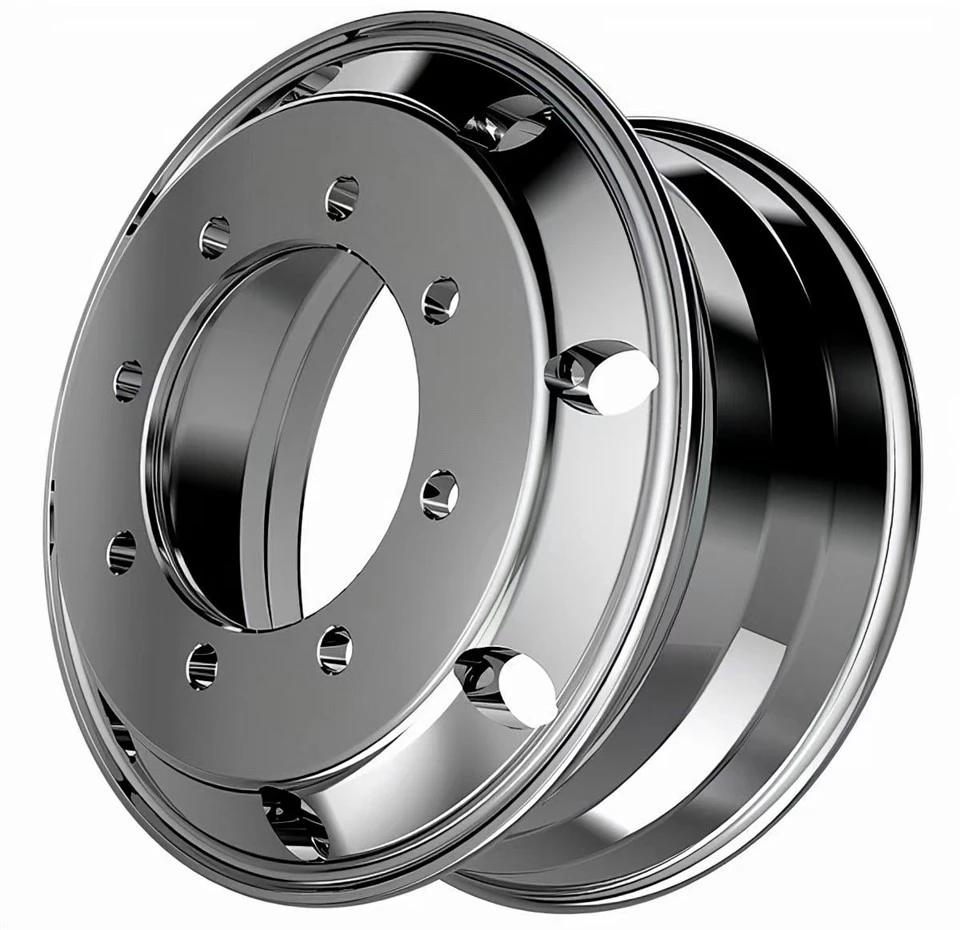

When the wheels are out of balance, it can lead to a rough ride and uneven tire wear. You might feel vibrations in the steering wheel or notice that the tires are wearing down faster on one side. To prevent this, it's a good idea to have your wheels checked regularly, especially during the hot summer months.
Another issue with extreme heat is that it can soften the rubber on the tires. This can reduce the traction and increase the risk of a blowout. So, make sure your tires are in good condition and properly inflated when it's really hot outside.
Humid Conditions
Humid weather is a sneaky one. It might not seem as extreme as snow or extreme heat, but the high moisture content in the air can cause problems for steel wheels. The humidity can lead to condensation on the wheels, which can start the rusting process.
Even if it's not raining, the moisture in the air can seep into small cracks or scratches on the wheel's surface. Over time, this can lead to pitting and corrosion. Regular inspections and maintenance are key in humid conditions. You can wipe down the wheels with a dry cloth to remove any moisture and apply a protective wax or sealant.
Why Choose Steel Wheels?
Despite all these challenges that different weather conditions bring, steel wheels are still a great choice. They're strong, durable, and cost - effective. Whether you're using 14 Inch Aluminum Trailer Wheels for a trailer or steel wheels for a heavy - duty truck, they can handle a lot.
Steel wheels are also easier to repair compared to other types of wheels. If you get a dent or a scratch, it can often be fixed without having to replace the whole wheel. And when it comes to customization, there are plenty of options available, from different finishes to unique designs.
Conclusion
So, there you have it. Steel wheels are pretty versatile and can perform well in a variety of weather conditions. But like any part of your vehicle, they need proper care and maintenance. Whether it's sunny, rainy, snowy, or hot, you can count on steel wheels to get the job done.
If you're in the market for high - quality steel wheels, don't hesitate to reach out. We've got a wide range of options to suit your needs. Whether you're a trucker, a farmer, or just someone looking for reliable wheels for your vehicle, we can help you find the perfect fit. Let's start a conversation and get you rolling with the best steel wheels out there!
References
- "Automotive Wheel Technology" by John Doe
- "Weather Effects on Vehicle Components" by Jane Smith
- Industry reports on steel wheel performance in different climates
Send Inquiry