

How do I install an al wheel?
Sep 30, 2025
Leave a message
Installing an aluminum wheel, or "al wheel" as it's commonly referred to, is a task that requires precision, the right tools, and a clear understanding of the process. As an al wheel supplier, I've seen firsthand the importance of proper installation to ensure the safety and performance of vehicles. In this blog post, I'll guide you through the step-by-step process of installing an al wheel.
Step 1: Gather the Necessary Tools
Before you start the installation process, it's crucial to have all the required tools at hand. Here's a list of tools you'll need:
- Lug wrench: Used to remove and tighten the lug nuts.
- Jack: To lift the vehicle off the ground.
- Jack stands: For added safety while the vehicle is lifted.
- Torque wrench: To ensure the lug nuts are tightened to the correct torque specification.
- Wheel chocks: To prevent the vehicle from rolling while it's lifted.
- Clean cloth: To clean the wheel hub and the mounting surface of the wheel.
Step 2: Prepare the Vehicle
Safety is paramount when working on a vehicle. Park the vehicle on a flat, stable surface and engage the parking brake. Place wheel chocks in front of and behind the wheels that won't be lifted to prevent the vehicle from rolling.
Step 3: Loosen the Lug Nuts
Using the lug wrench, loosen the lug nuts on the wheel you're going to replace. Do not remove them completely at this stage; just loosen them enough so that they can be easily turned by hand later.
Step 4: Lift the Vehicle
Position the jack under the designated lifting point of the vehicle, which is usually indicated in the vehicle's owner's manual. Slowly pump the jack to lift the vehicle until the wheel is about 6 to 8 inches off the ground. Once the vehicle is lifted, place the jack stands under the appropriate support points and lower the vehicle onto the jack stands. This provides additional stability and safety while you work on the wheel.
Step 5: Remove the Old Wheel
With the vehicle safely lifted on the jack stands, remove the loosened lug nuts completely and carefully pull the old wheel off the wheel hub. Place the old wheel flat on the ground to prevent it from rolling.
Step 6: Inspect the Wheel Hub
Take a moment to inspect the wheel hub for any signs of damage, corrosion, or debris. Use a clean cloth to wipe away any dirt or rust from the mounting surface of the wheel hub. This ensures a proper fit between the new al wheel and the wheel hub.
Step 7: Prepare the New Al Wheel
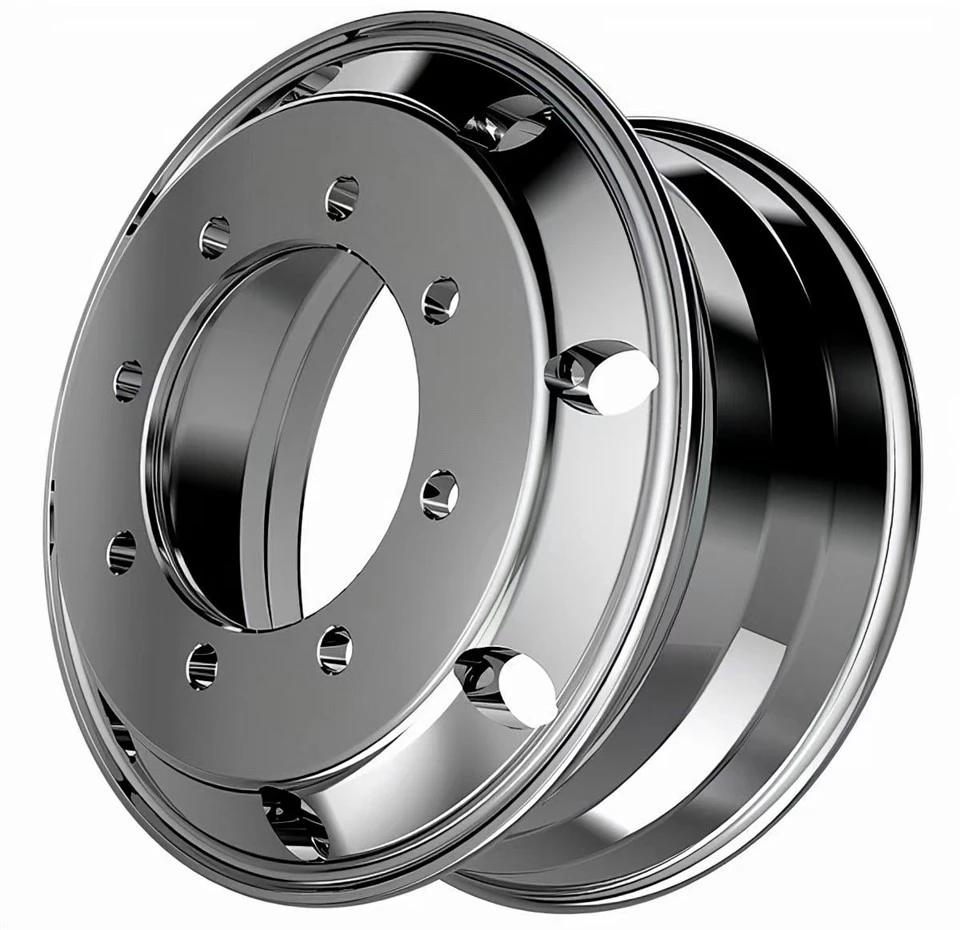
If you're using a new al wheel from our 22.5 *8.25 Tubeless ALLOY Truck Wheels, 14 Inch Aluminum Trailer Wheels, or Truck Wheel 19.5x7.50 range, make sure it's clean and free of any defects. Check the wheel for any signs of damage, such as cracks or dents. If you notice any issues, contact us immediately.
Step 8: Install the New Al Wheel
Align the holes in the new al wheel with the bolts on the wheel hub. Carefully slide the wheel onto the wheel hub until it sits flush against the mounting surface. Once the wheel is in place, hand-tighten the lug nuts onto the bolts. Make sure the lug nuts are threaded correctly to avoid cross-threading, which can cause serious problems.
Step 9: Tighten the Lug Nuts
Using a torque wrench, tighten the lug nuts to the torque specification recommended by the vehicle manufacturer. This information can usually be found in the vehicle's owner's manual. Tightening the lug nuts to the correct torque ensures that the wheel is securely attached to the vehicle and prevents the wheel from coming loose while driving.
Step 10: Lower the Vehicle
Once the lug nuts are tightened to the correct torque, carefully raise the vehicle slightly using the jack to remove the jack stands. Then, slowly lower the vehicle back to the ground using the jack.
Step 11: Final Check
After the vehicle is back on the ground, use the torque wrench to recheck the lug nuts to ensure they're still tightened to the correct torque. This is a final safety measure to make sure everything is secure.
Tips for a Successful Installation
- Always follow the vehicle manufacturer's instructions and guidelines when installing a new wheel.
- Use high-quality tools to ensure a proper installation.
- If you're unsure about any part of the installation process, don't hesitate to contact us. We're here to help.
Conclusion
Installing an al wheel is a straightforward process if you follow the steps outlined above. As an al wheel supplier, we're committed to providing you with high-quality wheels and the support you need to ensure a successful installation. Whether you're looking for 22.5 *8.25 Tubeless ALLOY Truck Wheels, 14 Inch Aluminum Trailer Wheels, or Truck Wheel 19.5x7.50, we have a wide range of options to meet your needs.
If you're interested in purchasing al wheels for your vehicle, we invite you to contact us for more information and to discuss your specific requirements. Our team of experts is ready to assist you with your purchase and provide you with the best possible service.

References
- Vehicle Owner's Manual
- Aluminum Wheel Manufacturer's Guidelines
Send Inquiry