

How do I clean stubborn stains on alloy wheels?
Jun 20, 2025
Leave a message
Cleaning stubborn stains on alloy wheels can be a challenging yet essential task for maintaining the aesthetic appeal and longevity of your wheels. As a trusted alloy wheels supplier, I've encountered various types of stains and have learned effective methods to tackle them. In this blog, I'll share some professional insights and practical tips on how to clean those stubborn marks and keep your alloy wheels looking brand - new.
Understanding the Types of Stubborn Stains
Before you start cleaning, it's crucial to identify the type of stain on your alloy wheels. Different stains require different cleaning approaches.
Brake Dust
Brake dust is one of the most common and stubborn stains on alloy wheels. When you apply the brakes, the friction between the brake pads and rotors generates fine metal particles. These particles adhere to the wheels, creating a dark, powdery film. Over time, if not removed, brake dust can corrode the wheel's surface.
Road Grime
Road grime consists of dirt, oil, tar, and other debris picked up from the road. It can be a combination of substances that are sticky and difficult to clean. Road grime often contains abrasive materials that can scratch the alloy surface if not properly removed.
Rust
Rust can occur on alloy wheels, especially if they have been exposed to moisture or if there are scratches on the protective coating. Rust not only looks unsightly but can also weaken the structural integrity of the wheel if left untreated.
Pre - Cleaning Preparations
Before you begin the cleaning process, gather the necessary tools and materials. You'll need a bucket, a soft - bristle brush, a microfiber cloth, a wheel cleaner specifically designed for alloy wheels, a degreaser, and water.
First, park your vehicle in a shaded area. Cleaning wheels in direct sunlight can cause the cleaning solutions to dry too quickly, leaving behind streaks.
Cleaning Brake Dust
- Rinse the Wheels: Start by rinsing the wheels thoroughly with water to remove loose dirt and debris. This will prevent scratching the surface during the cleaning process.
- Apply Wheel Cleaner: Spray the alloy - specific wheel cleaner onto the wheels. Make sure to cover the entire surface, including the inner and outer rims. Let the cleaner sit for a few minutes to break down the brake dust.
- Scrub the Wheels: Use a soft - bristle brush to gently scrub the wheels. Pay special attention to areas with heavy brake dust buildup, such as the spokes and the areas near the brake calipers. Avoid using a hard - bristle brush, as it can scratch the alloy surface.
- Rinse Again: Rinse the wheels thoroughly with water to remove the cleaner and the loosened brake dust. Check to see if all the brake dust has been removed. If not, repeat the process.
Removing Road Grime
- Use a Degreaser: If the road grime is particularly stubborn, you may need to use a degreaser. Apply the degreaser to a microfiber cloth and gently rub the affected areas. Let the degreaser sit for a few minutes to break down the grime.
- Scrub with a Brush: After the degreaser has had time to work, use a soft - bristle brush to scrub the wheels. You may need to apply some pressure, but be careful not to scratch the alloy.
- Rinse and Dry: Rinse the wheels thoroughly with water to remove the degreaser and the grime. Dry the wheels with a clean microfiber cloth to prevent water spots.
Treating Rust
- Assess the Rust Damage: If the rust is minor, you may be able to remove it yourself. However, if the rust has penetrated deeply into the alloy, it's best to consult a professional.
- Remove Loose Rust: Use a wire brush to gently remove any loose rust from the surface of the wheel. Be careful not to scratch the alloy.
- Apply a Rust Remover: Apply a rust remover specifically designed for alloy wheels. Follow the instructions on the product carefully. Let the rust remover sit for the recommended time.
- Scrub and Rinse: After the rust remover has had time to work, use a soft - bristle brush to scrub the area. Rinse the wheel thoroughly with water and dry it with a microfiber cloth.
Post - Cleaning Care
After cleaning the alloy wheels, it's important to take steps to protect them from future stains. You can apply a wheel sealant or wax to create a protective barrier. This will make it easier to clean the wheels in the future and will help prevent stains from adhering to the surface.
Choosing the Right Wheels for Your Vehicle
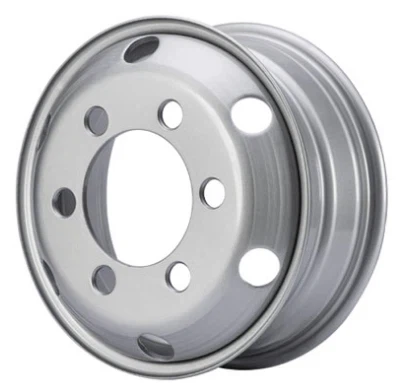
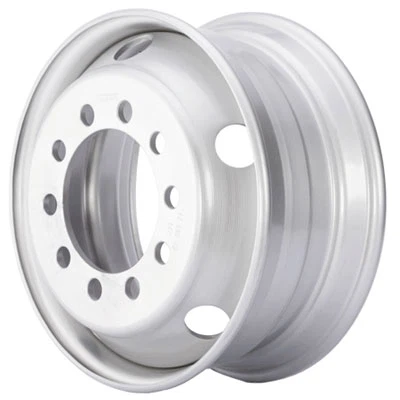
As an alloy wheels supplier, I understand that choosing the right wheels is just as important as maintaining them. We offer a wide range of high - quality alloy wheels, including Steel without Inner Tube 6jx16, Steel Without Inner Tube 17.5*6.75, and 17.5*6.0 Steel Tubeless Wheel. These wheels are designed to meet the highest standards of quality and performance.
Contact for Purchase and Consultation
If you're interested in purchasing alloy wheels or have any questions about wheel maintenance, feel free to reach out to us. We have a team of experts who can help you choose the right wheels for your vehicle and provide you with professional advice on cleaning and maintenance.
References
- "Automotive Wheel Care Guide" by Car Care Council
- "Alloy Wheel Maintenance Best Practices" by Wheel Manufacturers Association
Send Inquiry