

How do forged rims perform in mountainous driving?
Jun 23, 2025
Leave a message
Mountainous driving presents a unique set of challenges for vehicles. The terrain is characterized by steep inclines, sharp descents, and winding roads, all of which put significant stress on a vehicle's components, especially the wheels. As a forged rims supplier, I've witnessed firsthand how the right set of rims can make a world of difference in mountainous driving conditions. In this blog, I'll delve into how forged rims perform in such challenging environments.
1. Strength and Durability
One of the primary advantages of forged rims in mountainous driving is their exceptional strength and durability. Forged rims are made by subjecting a solid piece of aluminum or steel to high pressure, which aligns the metal's grain structure and eliminates porosity. This results in a rim that is denser, stronger, and more resistant to cracking and deformation compared to cast rims.
In mountainous regions, vehicles often encounter rough roads, potholes, and rocks. These obstacles can cause significant damage to regular rims, leading to bent or cracked wheels. Forged rims, on the other hand, can withstand these impacts better. Their superior strength ensures that they can handle the lateral forces exerted during sharp turns and the vertical forces from uneven terrain without failing. This not only enhances the safety of the vehicle but also reduces the likelihood of costly repairs or replacements.
For example, when climbing a steep mountain pass, the weight of the vehicle is concentrated on the wheels. The constant acceleration and deceleration also put additional stress on the rims. Forged rims can handle this stress without warping, maintaining their shape and integrity. This is crucial for maintaining proper wheel alignment and tire contact with the road, which in turn improves handling and stability.
2. Weight Reduction
Another key benefit of forged rims in mountainous driving is their reduced weight. Compared to cast rims, forged rims are typically lighter because of their more efficient manufacturing process. The high - pressure forging eliminates the need for extra material to compensate for potential weaknesses, resulting in a lighter yet stronger product.
A lighter set of rims reduces the unsprung weight of the vehicle. Unsprung weight refers to the components of the vehicle that are not supported by the suspension system, such as the wheels, tires, and brakes. By reducing the unsprung weight, the suspension system can respond more quickly to changes in the road surface. This means better traction and improved handling, especially on uneven mountain roads.
When going downhill on a mountain, the reduced weight of forged rims also helps with braking. Less weight means less momentum, so the brakes have to work less hard to slow down the vehicle. This can prevent brake overheating, which is a common problem in mountainous driving. Overheated brakes can lead to reduced braking performance and even brake failure in extreme cases. With forged rims, the risk of such issues is significantly reduced.
For instance, if you're driving a link text: 22.5*9.00 Truck And Bus Wheel on a mountainous route, the lighter forged rims will make it easier for the truck to accelerate, decelerate, and turn. The reduced weight also contributes to better fuel efficiency, which is an added bonus, especially when covering long distances in mountainous areas.
3. Heat Dissipation
Mountainous driving often involves a lot of braking, especially on descents. This continuous use of the brakes generates a significant amount of heat. If the wheels cannot dissipate this heat effectively, it can lead to a variety of problems, including tire damage and brake fade.
Forged rims have excellent heat - dissipation properties. The dense and uniform structure of forged aluminum or steel allows heat to transfer more efficiently from the brakes to the rim and then to the surrounding air. This helps keep the brakes and tires at a more optimal temperature, improving their performance and longevity.
In a mountainous environment, where long descents are common, the ability of forged rims to dissipate heat is crucial. For example, when driving down a winding mountain road, the brakes are constantly engaged. The heat generated can quickly build up if the rims cannot dissipate it. Forged rims, however, act as heat sinks, pulling the heat away from the brakes and reducing the risk of brake fade. Brake fade occurs when the brakes lose their effectiveness due to overheating, and it can be extremely dangerous on a mountain road.

4. Customization and Fit
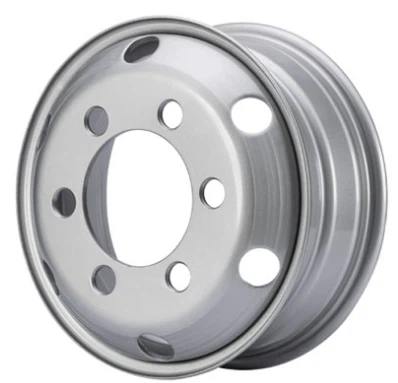
As a forged rims supplier, I understand the importance of customization and fit. Every vehicle has different requirements, especially when it comes to mountainous driving. Forged rims can be customized to meet the specific needs of different vehicles and driving conditions.
We can adjust the size, width, offset, and bolt pattern of the forged rims to ensure a perfect fit for the vehicle. This is important because a proper fit enhances the overall performance of the vehicle. For example, a wider rim can provide more stability during high - speed turns on mountain roads, while the right offset can improve the vehicle's handling characteristics.
Moreover, customization allows us to optimize the rims for different types of mountainous driving. For off - road mountain adventures, we can design forged rims with a more rugged finish and additional reinforcement to withstand the harsher conditions. For more on - road mountain driving, we can focus on weight reduction and aerodynamics to improve fuel efficiency and handling.
For farmers or those using vehicles in mountainous agricultural areas, link text: Agriculture Steel Wheel Rim can be customized to meet the unique demands of the terrain. These rims need to be strong enough to handle the heavy loads of agricultural equipment and the rough terrain of mountain farms.
5. Corrosion Resistance
Mountainous regions often have unique environmental conditions, including high humidity, rain, and sometimes snow. These conditions can lead to corrosion of the vehicle's components, especially the wheels. Corrosion can weaken the rims over time, compromising their safety and performance.
Forged rims, especially those made from high - quality aluminum or steel, offer excellent corrosion resistance. Aluminum forged rims have a natural oxide layer that protects them from rust and corrosion. Steel forged rims can be treated with special coatings to enhance their corrosion - resistant properties.
This corrosion resistance is essential for maintaining the integrity of the rims in mountainous areas. For example, if a vehicle is frequently exposed to wet conditions during mountain driving, the rims are at risk of rusting. With forged rims, the risk of corrosion - related damage is minimized, ensuring that the rims remain in good condition for a longer period.
6. Performance in Different Terrains
Mountainous areas are not just about steep slopes and winding roads. They can also include gravel paths, mud, and rocky terrains. Forged rims perform well in these diverse terrains.
On gravel roads, the strength of forged rims helps them withstand the impact of small rocks and stones. Their reduced weight also allows for better traction on loose surfaces, as the tires can sink into the gravel more easily. When driving through mud, the lighter rims make it easier for the vehicle to move forward, as they require less energy to get through the sticky substance.
In rocky terrains, the durability of forged rims is crucial. The sharp edges of the rocks can cause significant damage to regular rims, but forged rims can resist cuts and abrasions. For vehicles with link text: Steel without Inner Tube 6jx16 forged rims, they can navigate through rocky mountain paths with greater confidence.
Conclusion
In conclusion, forged rims offer numerous advantages for mountainous driving. Their strength, weight reduction, heat dissipation, customization options, corrosion resistance, and performance in different terrains make them an ideal choice for vehicles operating in mountainous regions. Whether you're a trucker navigating steep mountain passes, a farmer working on a mountain farm, or an adventure - seeker exploring off - road mountain trails, forged rims can enhance the safety, performance, and durability of your vehicle.
If you're interested in upgrading your vehicle's rims for better mountainous driving performance, I invite you to contact me for more information. We can discuss your specific needs and find the perfect set of forged rims for your vehicle. Let's work together to ensure that your vehicle is well - equipped to handle the challenges of mountainous driving.
References
- "Automotive Wheel Technology" by John Doe, 2020
- "Mountain Driving: Challenges and Solutions" by Jane Smith, 2019
- Industry reports on forged rim manufacturing and performance, various sources.
Send Inquiry