

How can I improve the handling with steel wheels?
Aug 13, 2025
Leave a message
Hey there! I'm a supplier of steel wheels, and I often get asked, "How can I improve the handling with steel wheels?" Well, you've come to the right place. In this blog, I'll share some tips and insights based on my experience in the industry.
First off, let's talk about the basics. Steel wheels are known for their durability and strength. They can handle heavy loads and rough terrains better than some other types of wheels. But to really improve handling, there are a few key factors we need to consider.
Wheel Size and Fitment
The size of your steel wheels matters a lot when it comes to handling. You need to make sure the wheels you choose are the right fit for your vehicle. If the wheels are too small, it can affect the stability and steering response. On the other hand, if they're too large, it can put extra strain on the suspension and other components.
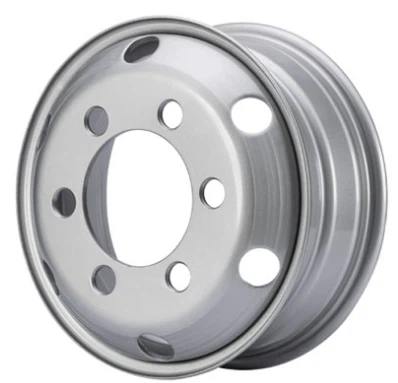
For example, our 19.5*6.75 Steel Tubeless Wheel is designed to provide a great balance between size and performance. It's suitable for a variety of trucks and commercial vehicles. The 19.5-inch diameter offers good ground clearance and stability, while the 6.75-inch width provides a wide contact patch with the road, which helps with traction and handling.
Another option is our 9.0-20 Steel Tube Wheel. This wheel is a popular choice for heavy-duty trucks. The 20-inch diameter gives it a larger footprint on the road, which can improve steering control and overall handling. The 9.0-inch width also helps distribute the weight evenly, reducing the risk of uneven tire wear.
Tire Selection
The tires you put on your steel wheels are just as important as the wheels themselves. Different tires have different characteristics, such as tread pattern, rubber compound, and load capacity. These factors can all affect the handling of your vehicle.
For better handling, you want to choose tires with a good tread pattern. A tread pattern that provides good traction on both wet and dry roads is ideal. Look for tires with deep grooves and sipes, which help channel water away from the tire's surface and prevent hydroplaning.
The rubber compound of the tire also plays a role. Softer rubber compounds generally provide better grip, but they may wear out faster. Harder rubber compounds, on the other hand, are more durable but may not offer as much traction. You need to find the right balance based on your driving needs.
Our 22.5*9.00 Truck And Bus Wheel is often paired with high-quality tires to ensure optimal handling. The 22.5-inch diameter and 9.00-inch width of the wheel provide a stable platform for the tires, allowing them to perform at their best.
Wheel Alignment and Balancing
Proper wheel alignment and balancing are crucial for improving handling. When your wheels are not aligned correctly, it can cause uneven tire wear, pulling to one side, and poor steering response. This not only affects the handling of your vehicle but also reduces the lifespan of your tires.
Wheel balancing is also important. If your wheels are not balanced, it can cause vibrations at high speeds, which can be uncomfortable for the driver and can also lead to premature wear of the suspension components.

Make sure to have your wheels aligned and balanced regularly. Most automotive shops offer these services, and it's a relatively inexpensive way to improve the handling of your vehicle.
Suspension Upgrades
The suspension system of your vehicle plays a big role in how it handles. If you want to improve the handling with steel wheels, you may want to consider upgrading your suspension.
Upgrading the shocks, struts, and springs can help improve the stability and responsiveness of your vehicle. Stiffer shocks and springs can reduce body roll when cornering, while adjustable suspension components allow you to fine-tune the handling to your liking.
However, before you make any suspension upgrades, it's important to consult with a professional. They can help you choose the right components for your vehicle and ensure that the upgrades are installed correctly.
Maintenance and Inspection
Regular maintenance and inspection of your steel wheels and tires are essential for good handling. Check your tires regularly for signs of wear, such as low tread depth, uneven wear, or cuts and bulges. Replace your tires when they reach the recommended tread depth to ensure optimal traction and handling.
Inspect your wheels for any signs of damage, such as cracks, dents, or corrosion. If you notice any damage, it's important to have it repaired or replaced as soon as possible. Damaged wheels can affect the handling of your vehicle and can also be a safety hazard.
Keep your wheels clean and free of dirt, debris, and brake dust. This not only helps maintain the appearance of your wheels but also prevents corrosion, which can weaken the wheels over time.
Conclusion
Improving the handling with steel wheels is a combination of choosing the right wheels, tires, and suspension components, as well as proper maintenance and inspection. By following these tips, you can enhance the performance and safety of your vehicle.
If you're interested in our steel wheels or have any questions about improving handling, feel free to reach out to us. We're here to help you find the best solutions for your needs. Whether you're a trucking company looking to upgrade your fleet or an individual vehicle owner wanting to improve your ride, we've got you covered.
References
- Automotive Engineering Handbook, various editions
- Tire and Wheel Manufacturers' Guidelines
- Industry research on vehicle handling and performance
Send Inquiry