

Do forged rims require special tires?
Jun 06, 2025
Leave a message
Hey there, fellow car enthusiasts! As a supplier of forged rims, I often get asked this question: "Do forged rims require special tires?" Well, let's dive right into this topic and clear up any confusion.
First off, let's understand what forged rims are. Forged rims are made by subjecting a solid block of aluminum or other metals to high pressure and heat. This process makes them incredibly strong, lightweight, and durable compared to cast rims. They're a popular choice among car owners who want to enhance their vehicle's performance and aesthetics.
Now, back to the main question. The short answer is, it depends. Forged rims don't always require special tires, but there are several factors to consider that might make you opt for specific types of tires.
Size and Fitment
One of the most crucial aspects is the size of the forged rims. The diameter, width, and offset of the rims need to be compatible with the tires. If you install forged rims that are larger in diameter than the stock rims, you'll need tires with a corresponding size. For example, if you upgrade from 17 - inch to 19 - inch forged rims, the tires must also be sized appropriately. Using the wrong tire size can lead to handling issues, inaccurate speedometer readings, and even damage to the vehicle's suspension.
When it comes to width, wider forged rims can provide better grip and stability, especially during high - speed maneuvers. However, you'll need wider tires to match. But be careful not to go too wide, as it can cause the tires to rub against the wheel wells, which is not only annoying but can also damage the tires and the vehicle's body.
The offset of the rim, which is the distance between the centerline of the rim and the mounting surface, also affects tire fitment. A wrong offset can cause the tires to sit too far in or out, again leading to handling problems and potential damage.
Performance Requirements
If you're using forged rims for performance purposes, like track racing or high - speed driving, you might want to consider special tires. High - performance tires are designed to provide better traction, handling, and braking capabilities. They often have a softer rubber compound, which offers more grip but wears out faster.
For example, if you have a sports car with forged rims and you plan to take it to the track, a set of summer performance tires would be a great choice. These tires are optimized for dry conditions and can handle the high lateral forces generated during cornering at high speeds. On the other hand, if you live in an area with cold winters, you'll need winter tires. Winter tires have a different tread pattern and rubber compound that remain flexible in cold temperatures, providing better traction on snow and ice.
Load Capacity
Forged rims are generally stronger and can handle higher loads than cast rims. But the tires also need to be able to support the weight of the vehicle and its occupants. If you're using forged rims on a heavy - duty vehicle, such as a truck or an SUV, you'll need tires with a high load - carrying capacity.
For instance, for trucks, there are specific truck tires designed to handle the weight of the vehicle, its cargo, and any towing loads. These tires often have reinforced sidewalls and a more robust construction. If you choose the wrong tires with a low load capacity, it can lead to tire failure, which is extremely dangerous.
Compatibility with the Vehicle's Systems
Modern vehicles come with various safety and performance systems, such as anti - lock braking systems (ABS), traction control systems (TCS), and electronic stability control (ESC). These systems rely on accurate wheel speed sensors to function properly. Using the wrong combination of forged rims and tires can disrupt these sensors, causing the systems to malfunction.
So, it's essential to choose tires that are compatible with your vehicle's systems. When in doubt, consult your vehicle's manufacturer or a professional tire installer.
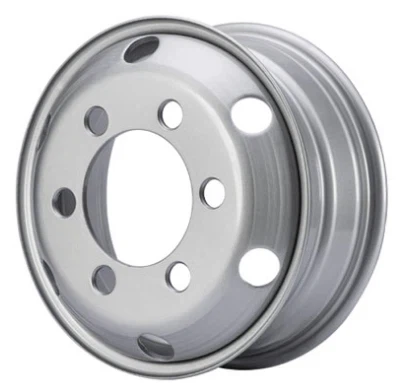
Now, let's talk about some of the products we offer as a forged rims supplier. We have a wide range of forged rims suitable for different vehicles and applications. And if you're in the market for wheels, we also have some great options like the 22.5*6.75 Steel Tubeless Wheel, 17.5*6.0 Steel Tubeless Wheel, and 22.5*7.5 Steel Truck Tubeless Wheel. These wheels are known for their durability and performance, and they can be paired with the right tires to enhance your vehicle's overall performance.
In conclusion, while forged rims don't always require special tires, there are many factors to consider when choosing tires for them. Size, performance requirements, load capacity, and compatibility with the vehicle's systems all play a role. If you're unsure about which tires to choose for your forged rims, don't hesitate to reach out to us. We're here to help you make the right decision.
If you're interested in purchasing our forged rims or have any questions about tire - rim compatibility, feel free to contact us. We can discuss your specific needs and provide you with the best solutions for your vehicle. Whether you're a casual driver looking to upgrade the look of your car or a performance enthusiast seeking the ultimate driving experience, we've got you covered.

References
- "The Complete Guide to Wheel and Tire Selection" by Tire Rack
- "Automotive Suspension and Steering" by Richard H. Bishop
- "High - Performance Tires: A Technical Guide" by Goodyear Tire & Rubber Company
Send Inquiry