

Do al wheels affect fuel efficiency?
Jan 05, 2026
Leave a message
Do All Wheels Affect Fuel Efficiency?
As a supplier of aluminum (al) wheels, I've been frequently asked whether all types of wheels have an impact on fuel efficiency. The short answer is yes, but the extent of this impact can vary significantly depending on several factors.
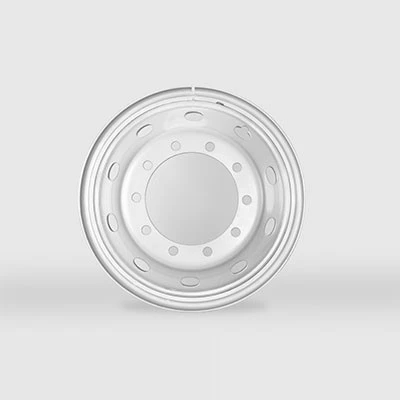

First, let's understand the basic principle behind how wheels affect fuel efficiency. When a vehicle moves, the wheels need to overcome various forms of resistance. The two main types of resistance are rolling resistance and aerodynamic resistance. Rolling resistance is the force that opposes the motion of the wheels as they roll on the road surface. Aerodynamic resistance, on the other hand, is the force exerted by the air on the moving vehicle and its wheels.
Aluminum wheels have several properties that can potentially improve fuel efficiency. One of the most significant advantages is their weight. Aluminum is a lightweight metal compared to steel. A lighter wheel means less unsprung weight for the vehicle. Unsprung weight refers to the mass of the components that are not supported by the vehicle's suspension system, such as the wheels, tires, and brakes. Reducing unsprung weight can lead to better acceleration, braking, and handling, as well as improved fuel efficiency. Lighter wheels require less energy to rotate, which means the engine doesn't have to work as hard to move the vehicle forward.
Another factor that makes aluminum wheels beneficial for fuel efficiency is their smooth surface finish. Aluminum wheels can be machined to have a very smooth surface, which reduces drag. When a wheel has a smooth surface, it encounters less air resistance as it rotates. This reduction in aerodynamic drag can contribute to better fuel economy, especially at higher speeds.
However, it's important to note that not all aluminum wheels are created equal. The design of the wheel also plays a crucial role in determining its impact on fuel efficiency. For example, wheels with a more open-spoke design allow air to flow through more freely, which can reduce aerodynamic drag compared to wheels with a solid or closed design. Additionally, the size and width of the wheel can affect fuel efficiency. Larger and wider wheels generally have more rolling resistance, as they have a larger contact area with the road surface. This means that they require more energy to roll, which can result in lower fuel efficiency.
On the other hand, steel wheels are typically heavier than aluminum wheels. This increased weight can lead to higher rolling resistance and, consequently, lower fuel efficiency. However, steel wheels also have some advantages. They are generally more durable and can withstand more abuse than aluminum wheels. In some cases, the cost of steel wheels may be lower than that of aluminum wheels, which can be an important consideration for some vehicle owners.
Let's take a closer look at some specific types of wheels and their potential impact on fuel efficiency.
Suitable For 17.5*6.75 Aluminum Truck Wheels are designed for trucks. These wheels are made from aluminum, which means they are lightweight compared to traditional steel truck wheels. The reduced weight of these wheels can help to improve the fuel efficiency of trucks, especially when they are used for long-haul transportation. Additionally, the smooth surface finish of these wheels can reduce aerodynamic drag, further contributing to better fuel economy.
Aluminum Alloy Wheels are a popular choice for many vehicles. These wheels are made from a combination of aluminum and other metals, which can enhance their strength and durability. The lightweight nature of aluminum alloy wheels can help to reduce the vehicle's unsprung weight, which in turn can improve fuel efficiency. The design of these wheels can also be optimized to reduce aerodynamic drag, making them a good choice for those looking to improve their vehicle's fuel economy.
7.0-20 Steel Tube Wheel is a type of steel wheel. As mentioned earlier, steel wheels are generally heavier than aluminum wheels, which can result in higher rolling resistance and lower fuel efficiency. However, these wheels are known for their durability and strength. They are often used in applications where the vehicle is subjected to heavy loads or rough terrain.
In addition to the type and design of the wheels, other factors can also affect fuel efficiency. The type of tire used in combination with the wheels is one of the most important factors. Tires with low rolling resistance can significantly improve fuel efficiency. The inflation pressure of the tires also plays a crucial role. Under-inflated tires can increase rolling resistance, while over-inflated tires can reduce traction and handling.
The driving style of the vehicle owner also has an impact on fuel efficiency. Aggressive driving, such as rapid acceleration and hard braking, can increase fuel consumption. Maintaining a steady speed and avoiding unnecessary idling can help to improve fuel efficiency, regardless of the type of wheels used.
In conclusion, all wheels can affect fuel efficiency to some extent. Aluminum wheels, with their lightweight and smooth surface finish, generally have a positive impact on fuel efficiency. However, the design, size, and width of the wheels, as well as the type of tires used and the driving style, also need to be considered.
If you're interested in improving your vehicle's fuel efficiency or are in the market for high-quality wheels, we invite you to contact us for a procurement discussion. We have a wide range of aluminum wheels that are designed to meet the needs of different vehicles and applications. Our team of experts can help you choose the right wheels for your vehicle and provide you with detailed information on their potential impact on fuel efficiency.
References
- "The Impact of Wheel Design on Vehicle Fuel Efficiency" - Automotive Engineering Journal
- "Lightweight Materials for Improved Fuel Economy" - Society of Automotive Engineers
- "Tire Rolling Resistance and Its Impact on Fuel Consumption" - Tire Technology International
Send Inquiry