

Can rims of steel be used on racing cars?
Dec 29, 2025
Leave a message
Can rims of steel be used on racing cars? This is a question that has intrigued automotive enthusiasts and racing professionals alike. As a supplier of steel rims, I've delved deep into the technical aspects and practical applications to provide a comprehensive answer.
The Basics of Steel Rims
Steel rims have been a staple in the automotive industry for decades. They are known for their durability, strength, and cost - effectiveness. Steel is a robust material that can withstand significant impacts and stresses. Unlike some other materials, steel rims are less likely to crack or shatter upon hitting a pothole or debris on the road.
One of the key advantages of steel rims is their ease of manufacturing. This results in a lower production cost, which can be passed on to the consumers. Additionally, steel rims are highly repairable. If a steel rim gets damaged, it can often be straightened or welded back into shape, saving both time and money.
However, steel rims also have some drawbacks. They are generally heavier than their alloy counterparts. The extra weight can increase the unsprung mass of the vehicle, which can negatively affect handling, acceleration, and fuel efficiency.
Racing Cars: The Requirements
Racing cars operate in a highly demanding environment. Every component of a racing car is optimized for performance, speed, and safety. Lightweight materials are preferred to reduce the overall weight of the vehicle, which in turn improves acceleration, braking, and cornering. High - strength materials are also essential to withstand the extreme forces generated during high - speed racing.
In addition to weight and strength, heat dissipation is another crucial factor. Racing cars generate a large amount of heat, especially in the braking system. Rims need to be able to dissipate this heat effectively to prevent brake fade and ensure consistent performance.
Can Steel Rims Be Used on Racing Cars?
The short answer is yes, steel rims can be used on racing cars, but it comes with certain considerations.
Advantages in Racing
In some types of racing, such as rally racing, steel rims can offer distinct advantages. Rally races are often held on rough and uneven terrains, where the risk of hitting rocks or other obstacles is high. The durability of steel rims makes them a good choice in these conditions. A steel rim is less likely to be damaged by a hard impact compared to an alloy rim, which can crack or break more easily.

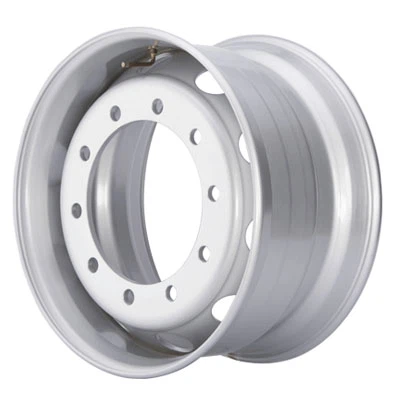
Steel rims also have a higher load - carrying capacity. In some forms of endurance racing, where the car needs to carry additional equipment or fuel, the extra strength of steel rims can be beneficial.
Disadvantages in Racing
As mentioned earlier, the weight of steel rims is a major drawback in racing. The increased unsprung mass can make the car feel less responsive and reduce its overall performance. The heavier rims also require more energy to accelerate and decelerate, which can lead to slower lap times.
Heat dissipation is another area where steel rims may fall short. Steel is not as good at conducting heat as some alloys, which means that the brakes may not cool down as quickly. This can lead to brake fade, a condition where the brakes lose their effectiveness due to overheating.
Our Steel Rim Offerings
At our company, we offer a wide range of steel rims suitable for different applications. Our 22.5*11.75tubeless Steel Truck Wheel is a popular choice for heavy - duty vehicles. It is designed to withstand high loads and rough terrains, making it suitable for some types of racing where durability is a key factor.
The 10 Inch Agricultural Wheel is another option that can be adapted for certain racing applications. Its robust construction makes it a reliable choice for off - road racing.
Our 22.5*7.5 Steel Tubeless Wheel is a lightweight yet strong option. It combines the durability of steel with a relatively low weight, which can help to mitigate some of the performance issues associated with steel rims in racing.
Making the Decision
When deciding whether to use steel rims on a racing car, several factors need to be considered. The type of racing, the track conditions, and the specific requirements of the vehicle all play a role.
If the racing involves rough terrains or high - load situations, steel rims may be a viable option. However, if speed and performance are the top priorities, alloy rims may be a better choice.
It's also possible to find a balance. For example, some racing teams use steel rims during practice sessions or in less critical races to save costs and protect the more expensive alloy rims. Then, they switch to alloy rims for the main events to maximize performance.
Contact Us for Procurement
If you're interested in exploring our range of steel rims for your racing car or other vehicles, we'd love to hear from you. Whether you're a professional racing team, an automotive enthusiast, or a vehicle manufacturer, we can provide you with the right steel rims to meet your needs. Reach out to us to start a procurement discussion and find the perfect solution for your project.
References
- Automotive Engineering Handbook, various editions
- Journal of Automotive Technology and Engineering, multiple issues
- Online resources on racing car technology and materials
Send Inquiry