

Can I overload steel wheels?
Oct 27, 2025
Leave a message
Hey there! I'm in the business of supplying steel wheels, and one question that pops up quite often is, "Can I overload steel wheels?" It's a crucial topic, especially for those who rely on these wheels for their vehicles, whether it's for trucks, trailers, or other heavy - duty applications.
First off, let's understand what steel wheels are. Steel wheels are a staple in the automotive and transportation industries. They're known for their durability, strength, and cost - effectiveness. As a steel wheel supplier, I've seen the wide range of uses for these wheels, from everyday cars to large commercial trucks.
Now, back to the main question: can you overload steel wheels? The short answer is no, you really shouldn't. Steel wheels, like any other component of a vehicle, have a specific load - carrying capacity. This capacity is determined by a variety of factors, including the wheel's design, the type of steel used, and the manufacturing process.
Let's dig a bit deeper into the factors that affect a steel wheel's load - carrying capacity. The design of the wheel plays a huge role. Wheels with a wider rim and a stronger spoke pattern can generally handle more weight. For example, a Steel without Inner Tube 6jx16 is designed with a specific structure to support a certain amount of load. The engineers who design these wheels take into account the forces that the wheel will experience during normal use, such as acceleration, braking, and cornering.
The type of steel used is also critical. High - quality steel with the right alloy composition can withstand more stress. When we manufacture our steel wheels, we use premium steel that has been tested to ensure it meets the required strength standards. This helps to maximize the load - carrying capacity of the wheels.
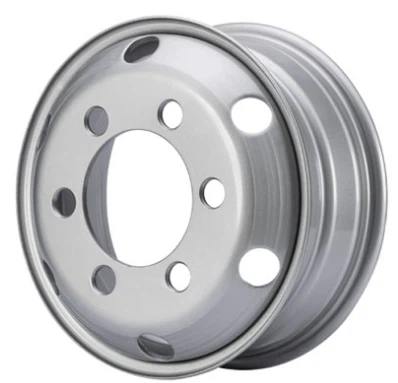

The manufacturing process is another key factor. Precision manufacturing techniques ensure that the wheel is well - balanced and has no weak points. Any flaws in the manufacturing process can significantly reduce the wheel's ability to carry a load safely. At our company, we use state - of - the - art manufacturing equipment and strict quality control measures to produce wheels that are reliable and strong.
So, what happens if you overload steel wheels? Well, it can lead to a whole host of problems. One of the most immediate issues is tire wear. When a wheel is overloaded, the tires have to bear more weight than they're designed for. This can cause uneven tire wear, which not only shortens the lifespan of the tires but also affects the vehicle's handling and safety.
Overloading can also put excessive stress on the wheel itself. This can lead to cracks or fractures in the wheel, especially in areas where the stress is concentrated, such as the spoke - rim junction. A cracked wheel is extremely dangerous as it can fail suddenly while the vehicle is in motion, leading to a loss of control and potentially a serious accident.
Another problem is that overloading can affect the vehicle's suspension system. The suspension is designed to work in conjunction with the wheels and tires to provide a smooth ride and proper handling. When the wheels are overloaded, the suspension has to work harder, which can cause premature wear and tear on suspension components.
Now, let's talk about how to avoid overloading steel wheels. The first step is to know the load - carrying capacity of your wheels. This information is usually stamped on the wheel itself or can be found in the vehicle's owner's manual. Make sure you don't exceed this capacity when loading your vehicle.
It's also important to distribute the load evenly. Don't pile all the weight on one side of the vehicle or in the back. A well - distributed load helps to ensure that each wheel is carrying its fair share of the weight.
If you need to carry a heavy load, consider upgrading to wheels with a higher load - carrying capacity. For example, if you currently have standard wheels and you often need to carry heavy cargo, you might want to look into 19.5*7.5Aluminum Alloy Wheel or 6.5 - 20 Steel Tube Wheel, which are designed to handle more weight.
As a steel wheel supplier, I always recommend that customers do their research and choose the right wheels for their needs. We offer a wide range of steel wheels with different load - carrying capacities to suit various applications. Whether you're a small business owner with a fleet of delivery trucks or an individual with a heavy - duty trailer, we have the wheels for you.
If you're in the market for steel wheels or have any questions about load - carrying capacity, don't hesitate to reach out. We're here to help you make the right choice and ensure that your vehicles are safe and reliable. Our team of experts can provide you with all the information you need and assist you in finding the perfect wheels for your specific requirements.
In conclusion, overloading steel wheels is a big no - no. It can lead to serious safety issues and costly repairs. By understanding the load - carrying capacity of your wheels, distributing the load evenly, and choosing the right wheels for your needs, you can ensure that your vehicles operate safely and efficiently. So, if you're looking for high - quality steel wheels that you can trust, give us a shout. We're ready to work with you to meet your wheeling needs.
References
- Automotive Wheel Design and Engineering Manual
- Tire and Rim Association Standards
- Vehicle Manufacturer's Technical Documentation
Send Inquiry