

Can aluminum alloy wheels be repaired if damaged?
May 22, 2025
Leave a message
Can aluminum alloy wheels be repaired if damaged? This is a question that many vehicle owners and enthusiasts often ask. As a leading supplier of aluminum alloy wheels, I've encountered this query numerous times in my line of work. In this blog, I'll delve into the details of whether damaged aluminum alloy wheels can be repaired, the factors involved, and the best practices for dealing with wheel damage.
Understanding Aluminum Alloy Wheels
Aluminum alloy wheels have become increasingly popular in the automotive industry due to their numerous advantages. They are lighter than steel wheels, which improves fuel efficiency, handling, and acceleration. Additionally, they offer better heat dissipation, which can enhance brake performance. Their aesthetic appeal is also a significant factor, as they come in a wide range of designs that can enhance the overall look of a vehicle.
However, like any other automotive component, aluminum alloy wheels are not immune to damage. They can be scratched, dented, or cracked due to various reasons, such as hitting a curb, pothole, or debris on the road. When this happens, the question of whether they can be repaired arises.
Factors Affecting Wheel Repairability
The repairability of a damaged aluminum alloy wheel depends on several factors. The type and severity of the damage are the primary considerations. Minor scratches and scuffs can often be repaired relatively easily, while more significant damage, such as deep cracks or severe dents, may require more complex repair processes or even replacement.
The location of the damage also plays a crucial role. Damage to the outer rim or spoke can sometimes be repaired, but damage to the bead seat or the area where the tire seals against the wheel can be more problematic. Any damage that compromises the integrity of the wheel's structure or its ability to hold air safely should be carefully evaluated by a professional.
Types of Wheel Damage and Repair Methods
1. Scratches and Scuffs
Scratches and scuffs are the most common types of damage to aluminum alloy wheels. They are usually caused by contact with curbs, other vehicles, or road debris. Minor scratches can often be repaired by sanding and refinishing the affected area. This process involves using progressively finer grit sandpaper to smooth out the scratch and then applying a primer and a matching paint or clear coat to restore the wheel's appearance.

2. Dents
Dents can occur when a wheel hits a pothole or other hard object. Small dents can sometimes be repaired using specialized tools that can gently reshape the wheel back to its original form. However, larger dents may require more extensive repair work, such as heat treatment or even welding in some cases. It's important to note that not all dents can be repaired, especially if they have caused significant structural damage to the wheel.
3. Cracks
Cracks are the most serious type of damage to aluminum alloy wheels. They can be caused by impact, stress, or fatigue. Small cracks on the outer rim or spoke may be repairable using a process called TIG (Tungsten Inert Gas) welding. This involves melting a filler material into the crack and then grinding and refinishing the area to match the rest of the wheel. However, cracks in critical areas, such as the bead seat or the center bore, usually require the wheel to be replaced.
The Importance of Professional Repair
While some minor wheel damage can be repaired at home, it's generally recommended to have your wheels repaired by a professional. A professional wheel repair shop has the necessary tools, equipment, and expertise to accurately assess the damage and perform the appropriate repair. They can also ensure that the repaired wheel meets all safety standards and specifications.
When choosing a wheel repair shop, look for one that is certified and experienced in working with aluminum alloy wheels. Ask for references and check online reviews to ensure that they have a good reputation. It's also a good idea to get a written estimate before having any work done.
Our Product Range
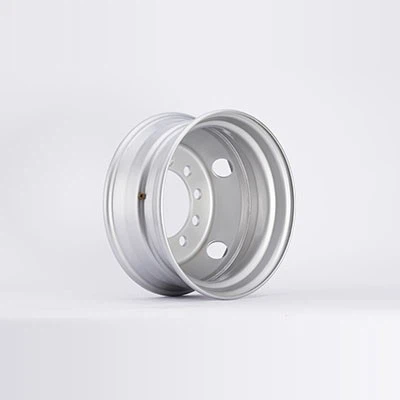
As an aluminum alloy wheel supplier, we offer a wide range of high-quality wheels for various vehicles. Our products include Steel Without Inner Tube 17.5*6.75, 22.5*8.25 Aluminum Truck Wheel, and 16.0X6.0 Steel Tubeless Wheel. These wheels are designed to meet the highest standards of quality and performance, and they come with a warranty to give you peace of mind.
Conclusion
In conclusion, damaged aluminum alloy wheels can often be repaired, depending on the type and severity of the damage. Minor scratches and scuffs can usually be repaired easily, while more significant damage may require more complex repair processes or even replacement. It's important to have your wheels inspected by a professional to determine the best course of action.
If you're in the market for high-quality aluminum alloy wheels or need advice on wheel repair, please don't hesitate to contact us. We're here to help you find the right wheels for your vehicle and ensure that they are in top condition. Whether you're a car enthusiast, a fleet owner, or a mechanic, we have the products and expertise to meet your needs. Let's start a conversation about your wheel requirements and see how we can assist you.
References
- "Automotive Wheel Repair: A Comprehensive Guide." Auto Repair Magazine, 2023.
- "Aluminum Alloy Wheels: Properties and Applications." Journal of Automotive Engineering, 2022.
- "Wheel Safety Standards and Regulations." National Highway Traffic Safety Administration, 2021.
Send Inquiry