

Are there any legal requirements for using aluminum alloy wheels?
Jul 25, 2025
Leave a message
Hey there! As a supplier of aluminum alloy wheels, I often get asked about the legal requirements for using these wheels. It's a super important topic, not just for us suppliers but also for all you folks out there who are either using or thinking about buying aluminum alloy wheels. So, let's dig into it!
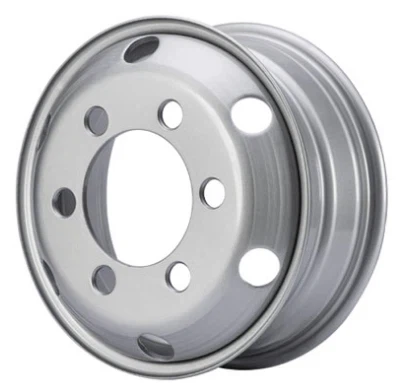

First off, why are aluminum alloy wheels so popular? Well, they're lighter than traditional steel wheels. This means better fuel efficiency 'cause your vehicle doesn't have to work as hard to move around. They also look cooler and can enhance the overall aesthetic of your ride. Plus, they dissipate heat better, which is great for braking performance.
Now, onto the legal stuff. Different countries and regions have their own sets of rules and regulations when it comes to using aluminum alloy wheels. In the United States, for example, the Department of Transportation (DOT) has some pretty strict guidelines. Wheels need to meet certain safety standards to be legal for use on public roads. These standards cover things like strength, durability, and how well the wheel can handle different loads.
One of the key requirements is the wheel's load rating. This is basically how much weight the wheel can safely carry. If you're using wheels with a load rating that's too low for your vehicle, it can be extremely dangerous. It might lead to the wheel failing under the weight, which could cause an accident. So, when you're choosing aluminum alloy wheels, make sure they have a load rating that matches or exceeds your vehicle's requirements.
Another important aspect is the wheel's offset. The offset determines how the wheel sits in relation to the vehicle's suspension and body. If the offset is wrong, it can cause all sorts of problems. It might make the tires rub against the wheel well, which can damage the tires and the vehicle. It can also affect the vehicle's handling and steering. In some places, there are specific regulations about what offsets are allowed, so you gotta be careful.
In Europe, the Economic Commission for Europe (ECE) sets the standards for vehicle equipment, including wheels. Their regulations are similar to the DOT's in the US, but there are some differences. For instance, the ECE has more detailed requirements when it comes to the wheel's design and construction. They want to make sure that the wheels are not only safe but also environmentally friendly.
When it comes to the manufacturing process, there are also legal requirements. Aluminum alloy wheels need to be produced in a way that ensures their quality and safety. This means using the right materials and following proper manufacturing techniques. For example, the alloy used in the wheels needs to have the right composition. If it's not made correctly, the wheel might be weaker than it should be, which is a big no - no.
Now, let me talk a bit about our product range. We offer a wide variety of aluminum alloy wheels, but I also want to mention some of our other great wheel options. Check out our 17.5*6.0 Steel Tubeless Wheel and 16.0X6.0 Steel Tubeless Wheel. These steel wheels are also high - quality and meet all the necessary legal requirements. And if you're looking for something more in the alloy truck wheel category, our 22.5*8.25 Alloy Truck Wheel is a top - notch choice.
As a supplier, we take these legal requirements very seriously. We make sure that every single wheel we produce goes through rigorous testing to meet the standards set by different authorities. Our quality control team checks the wheels for things like cracks, porosity, and proper finishing. We also keep up - to - date with all the changes in the regulations, so you don't have to worry about using our wheels on the road.
If you're in the market for wheels, whether it's aluminum alloy or steel, you need to do your research. Don't just go for the cheapest option. Make sure the wheels you're buying are legal and safe. You can always ask the supplier for documentation that shows the wheels meet the necessary standards. If they can't provide this, it's a red flag.
So, to sum it all up, yes, there are definitely legal requirements for using aluminum alloy wheels. These requirements are in place to keep you safe on the road. As a supplier, we're committed to providing you with wheels that not only look great but also meet all the legal standards.
If you're interested in purchasing our wheels, whether it's for your personal vehicle or for a commercial fleet, we'd love to hear from you. Reach out to us to start a conversation about your wheel needs. We can help you choose the right wheels for your vehicle and make sure you're getting a product that's both legal and high - quality.
References
- Department of Transportation (DOT) regulations
- Economic Commission for Europe (ECE) regulations
- Industry standards for wheel manufacturing and safety
Send Inquiry