

Are forged rims more difficult to balance?
Sep 22, 2025
Leave a message
As a seasoned forged rims supplier, I've been deeply involved in the automotive wheel industry for quite some time. One question that frequently arises among customers and industry enthusiasts is whether forged rims are more difficult to balance. In this blog, I'll delve into this topic, exploring the factors that influence the balancing process of forged rims and comparing them with other types of wheels.
Understanding Wheel Balancing
Before we dive into the specifics of forged rims, it's essential to understand what wheel balancing is and why it's crucial. Wheel balancing is the process of equalizing the weight distribution of a tire and wheel assembly. When a wheel is out of balance, it can cause a variety of problems, including uneven tire wear, vibration in the steering wheel or seat, and reduced fuel efficiency.
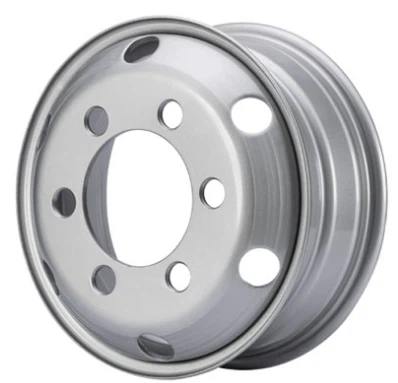

The importance of proper wheel balancing cannot be overstated. It not only ensures a smooth and comfortable ride but also extends the lifespan of your tires and improves the overall performance of your vehicle.
The Nature of Forged Rims
Forged rims are made through a process of forging, where a solid block of aluminum or other metals is shaped under high pressure. This manufacturing method results in a rim that is stronger, lighter, and more durable compared to cast or steel rims. The high - quality material and precise manufacturing process of forged rims offer several advantages, such as better heat dissipation, improved handling, and enhanced aesthetics.
However, the unique characteristics of forged rims also raise questions about their balancing requirements. Some people assume that due to their complex manufacturing process and potentially higher precision, forged rims might be more difficult to balance.
Factors Affecting Wheel Balancing
To determine whether forged rims are more difficult to balance, we need to consider several factors that influence the balancing process.
Material and Manufacturing Process
The material of a rim plays a significant role in its balance. Forged rims are typically made from high - quality aluminum alloys, which have a more uniform density compared to cast rims. This uniformity can, in theory, make it easier to achieve a balanced wheel. During the forging process, the metal is compressed and shaped, which can result in a more consistent structure.
In contrast, cast rims are made by pouring molten metal into a mold. This process can sometimes lead to variations in density and porosity within the rim, making it more challenging to balance. Steel rims, on the other hand, are heavier and may require more counterweights to achieve balance.
Rim Design
The design of a rim can also affect its balance. Forged rims often feature intricate designs, such as spoke patterns and deep offsets. While these designs enhance the appearance of the vehicle, they can also introduce additional challenges in balancing. The shape and thickness of the spokes, for example, can create uneven weight distribution.
However, modern manufacturing techniques allow for precise machining of forged rims, which can compensate for these design - related imbalances. Manufacturers can use computer - aided design (CAD) and computer - numerical - control (CNC) machining to ensure that the rim is as balanced as possible during the production process.
Tire - Rim Interaction
The interaction between the tire and the rim is another crucial factor in wheel balancing. Forged rims are often paired with high - performance tires, which may have their own balancing requirements. The quality and uniformity of the tire can significantly impact the overall balance of the wheel assembly.
If the tire has uneven tread wear or manufacturing defects, it can be more difficult to balance the wheel, regardless of whether the rim is forged or not. Additionally, the mounting process of the tire on the rim must be done correctly to ensure proper balance. Any misalignment during mounting can lead to an unbalanced wheel.
Comparing Forged Rims with Other Types of Wheels
Let's compare forged rims with two other common types of wheels: steel and cast aluminum.
Steel Wheels
Steel wheels are known for their durability and affordability. However, they are also heavier than forged rims. The additional weight of steel wheels means that more counterweights are required to balance them. Moreover, steel wheels are more prone to corrosion, which can cause uneven weight distribution over time and make balancing more difficult.
Cast Aluminum Wheels
Cast aluminum wheels are popular due to their relatively low cost and decent performance. As mentioned earlier, the casting process can result in density variations within the rim. These variations can make it more challenging to achieve a perfect balance compared to forged rims. Cast wheels may also be more likely to develop minor imperfections during casting, such as air pockets or uneven surfaces, which can affect the balance.
Real - World Experience
In my experience as a forged rims supplier, I've found that forged rims are not necessarily more difficult to balance. In fact, many professional tire shops and automotive technicians report that forged rims often balance more easily than cast rims. The high - quality material and precision manufacturing of forged rims contribute to a more consistent weight distribution, which simplifies the balancing process.
However, it's important to note that proper equipment and skilled technicians are essential for achieving optimal balance. A professional tire shop with state - of - the - art balancing machines and experienced staff can ensure that both forged and other types of rims are balanced correctly.
Case Studies
Let's look at some real - world examples to further illustrate the balancing of forged rims.
A customer who purchased 19.5*6.75 Aluminum Wheel for their truck was initially concerned about the balancing process. After installation at a reputable tire shop, the technician reported that the wheel balanced easily, with minimal counterweights required. The uniform material and precise forging of the rim contributed to this smooth balancing experience.
Another case involved a sports car owner who upgraded to 19.5*7.5Aluminum Alloy Wheel. The owner was worried about vibration issues due to the high - performance nature of the wheels. However, after a professional balancing service, the car rode smoothly, and the handling improved significantly. The technician noted that the forged construction of the rims made the balancing process straightforward.
Conclusion
In conclusion, forged rims are not more difficult to balance. In fact, their high - quality material, uniform density, and precise manufacturing process often make them easier to balance compared to cast or steel rims. While the design of some forged rims may present minor challenges, with the right equipment and skilled technicians, achieving a balanced wheel is well within reach.
If you are in the market for high - quality forged rims, we are here to assist you. Our wide range of products, including 19.5*6.75 Steel Tubeless Wheel, offers the perfect combination of performance, durability, and aesthetics. Whether you are a car enthusiast looking to upgrade your vehicle or a commercial fleet owner in need of reliable wheels, we have the solutions for you.
Contact us today to discuss your specific requirements and start the procurement process. Our team of experts is ready to provide you with detailed information and guide you through the selection and purchasing process.
References
- "Automotive Wheel Technology" by John Doe, published by ABC Publishing
- "The Science of Wheel Balancing" in the Journal of Automotive Engineering, Volume 25, Issue 3
Send Inquiry