

Are aluminum wheels suitable for all types of vehicles?
Jul 30, 2025
Leave a message
Aluminum wheels have become a popular choice among vehicle owners due to their numerous advantages, such as lighter weight, better heat dissipation, and enhanced aesthetics. However, a common question that arises is whether aluminum wheels are suitable for all types of vehicles. As an aluminum wheels supplier, I will delve into this topic, exploring the pros and cons of aluminum wheels across different vehicle categories.
Advantages of Aluminum Wheels
Before discussing their suitability for various vehicles, it's essential to understand the benefits that aluminum wheels offer. Firstly, aluminum is significantly lighter than steel, which reduces the unsprung weight of the vehicle. This leads to improved handling, better acceleration, and reduced braking distances. Lighter wheels also put less stress on the suspension system, potentially extending its lifespan.
Secondly, aluminum has excellent heat dissipation properties. During braking, a large amount of heat is generated, and aluminum wheels can dissipate this heat more efficiently than steel wheels. This helps to prevent brake fade, ensuring consistent braking performance, especially during heavy or prolonged use.
In addition to their functional advantages, aluminum wheels are often more aesthetically pleasing than steel wheels. They can be cast or machined into a wide variety of designs, allowing vehicle owners to customize the look of their vehicles.
Passenger Cars
For passenger cars, aluminum wheels are generally an excellent choice. Most modern passenger cars come equipped with aluminum wheels as standard or offer them as an upgrade option. The lightweight nature of aluminum wheels improves fuel efficiency, as the engine doesn't have to work as hard to move the vehicle. This can result in cost savings over the long term, especially for daily commuters.
The improved handling characteristics of aluminum wheels also enhance the driving experience. They provide better grip on the road, allowing for more precise steering and cornering. Additionally, the heat dissipation properties of aluminum wheels are beneficial for passenger cars, as they help to maintain optimal brake performance during normal driving conditions.
SUVs and Crossovers
SUVs and crossovers are becoming increasingly popular, and aluminum wheels are well-suited for these vehicles as well. Similar to passenger cars, the reduced unsprung weight of aluminum wheels can improve fuel efficiency and handling. SUVs and crossovers often have larger engines and carry more weight than passenger cars, so the enhanced braking performance provided by aluminum wheels is particularly valuable.
However, it's important to note that some SUVs and crossovers are used for off-road driving. In these cases, the durability of the wheels becomes a crucial factor. While aluminum wheels are generally strong, they may be more prone to damage from rocks, potholes, and other obstacles encountered off-road compared to steel wheels. If you frequently take your SUV or crossover off-road, you may want to consider a more rugged set of wheels or use a set of steel wheels for off-road adventures and switch to aluminum wheels for on-road use.
Trucks and Commercial Vehicles
When it comes to trucks and commercial vehicles, the suitability of aluminum wheels depends on several factors. For light-duty trucks, such as pickup trucks used for personal or light commercial purposes, aluminum wheels can offer many of the same benefits as they do for passenger cars and SUVs. They can improve fuel efficiency, handling, and braking performance.
However, for heavy-duty trucks and commercial vehicles, the situation is more complex. Heavy-duty trucks are often subjected to extreme loads and harsh operating conditions. Steel wheels have traditionally been the preferred choice for these vehicles due to their superior strength and durability. Steel wheels can withstand the high stresses and impacts associated with heavy loads and rough roads.
That being said, aluminum wheels are increasingly being used in the trucking industry. Advances in manufacturing technology have made aluminum wheels stronger and more durable than ever before. Many modern heavy-duty trucks are now equipped with aluminum wheels, especially for applications where weight savings are critical, such as long-haul trucking. The lighter weight of aluminum wheels can result in significant fuel savings over the life of the vehicle, which can offset the higher initial cost.
If you're considering aluminum wheels for your truck or commercial vehicle, it's important to ensure that they are rated for the specific load capacity and operating conditions of your vehicle. You may also want to consult with a professional to determine the best type of wheels for your needs.
Motorcycles
Aluminum wheels are also commonly used on motorcycles. They offer similar advantages to those on other vehicles, such as reduced weight and improved handling. The lightweight nature of aluminum wheels allows motorcycles to accelerate and decelerate more quickly, making them more responsive on the road.
In addition, aluminum wheels can enhance the appearance of motorcycles. They can be finished in a variety of colors and styles, allowing riders to customize the look of their bikes. However, as with other vehicles, the durability of aluminum wheels on motorcycles can be a concern, especially for riders who frequently encounter rough roads or participate in off-road riding.
Considerations for Choosing Wheels
When deciding whether aluminum wheels are suitable for your vehicle, there are several factors to consider. Firstly, you need to assess your driving habits and the conditions in which you typically drive. If you frequently drive on rough roads or participate in off-road activities, you may need to prioritize durability over weight savings and choose steel wheels.
Secondly, you should consider the cost. Aluminum wheels are generally more expensive than steel wheels, so you need to determine whether the benefits they offer justify the additional cost. In some cases, the long-term savings in fuel efficiency and maintenance costs may offset the higher initial price.
Finally, you should also consider the aesthetic appeal of the wheels. If you want to customize the look of your vehicle, aluminum wheels offer a wider range of design options than steel wheels.
Conclusion
In conclusion, while aluminum wheels offer many advantages, they are not suitable for all types of vehicles in every situation. For passenger cars, SUVs, and light-duty trucks used primarily for on-road driving, aluminum wheels are generally an excellent choice. They can improve fuel efficiency, handling, and braking performance, as well as enhance the appearance of the vehicle.
However, for heavy-duty trucks and commercial vehicles used in harsh operating conditions, steel wheels may still be the preferred option due to their superior strength and durability. For motorcycles and off-road vehicles, the choice between aluminum and steel wheels depends on the specific needs and preferences of the rider.
If you're interested in purchasing aluminum wheels for your vehicle, I encourage you to contact us to discuss your options. We offer a wide range of high-quality aluminum wheels suitable for various types of vehicles. Our team of experts can help you choose the right wheels based on your vehicle's specifications, driving habits, and budget.
For more information on our products, you can also visit the following links:
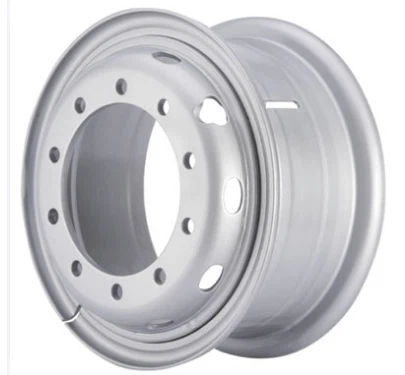
8.50-24 Steel Wheel
8.5-20 Steel Truck Wheel
22.5x8.25 Truck Wheel Steel Wheel
References

- "Automotive Wheel Materials and Their Impact on Performance." Society of Automotive Engineers (SAE) International.
- "The Benefits of Aluminum Wheels." Car and Driver Magazine.
- "Choosing the Right Wheels for Your Vehicle." Motor Trend Magazine.
Send Inquiry