

Are alloy wheels more likely to cause vibrations?
Aug 29, 2025
Leave a message
As a seasoned supplier of alloy wheels, I often encounter inquiries from customers regarding the potential for alloy wheels to cause vibrations. This topic is not only relevant to the daily driving experience but also crucial for the overall performance and safety of vehicles. In this blog, I will delve into the science behind wheel vibrations, compare alloy wheels with other types of wheels, and address whether alloy wheels are more likely to cause vibrations.
Understanding Wheel Vibrations
Before we discuss whether alloy wheels are more prone to vibrations, it's essential to understand what causes wheel vibrations in the first place. Wheel vibrations can stem from various factors, including imbalance, misalignment, tire wear, and wheel damage.
Imbalance: A wheel is considered imbalanced when its weight is not evenly distributed around the axis of rotation. This can occur due to manufacturing imperfections, uneven tire wear, or the addition of aftermarket accessories. When a wheel is imbalanced, it creates an uneven force as it rotates, leading to vibrations that can be felt in the steering wheel, floorboard, or seat.
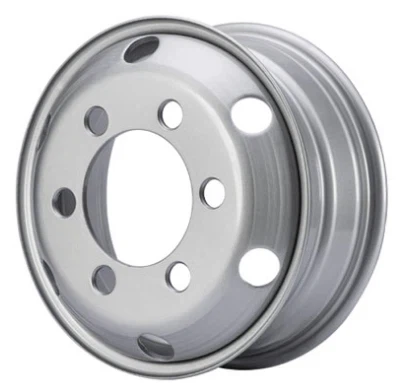
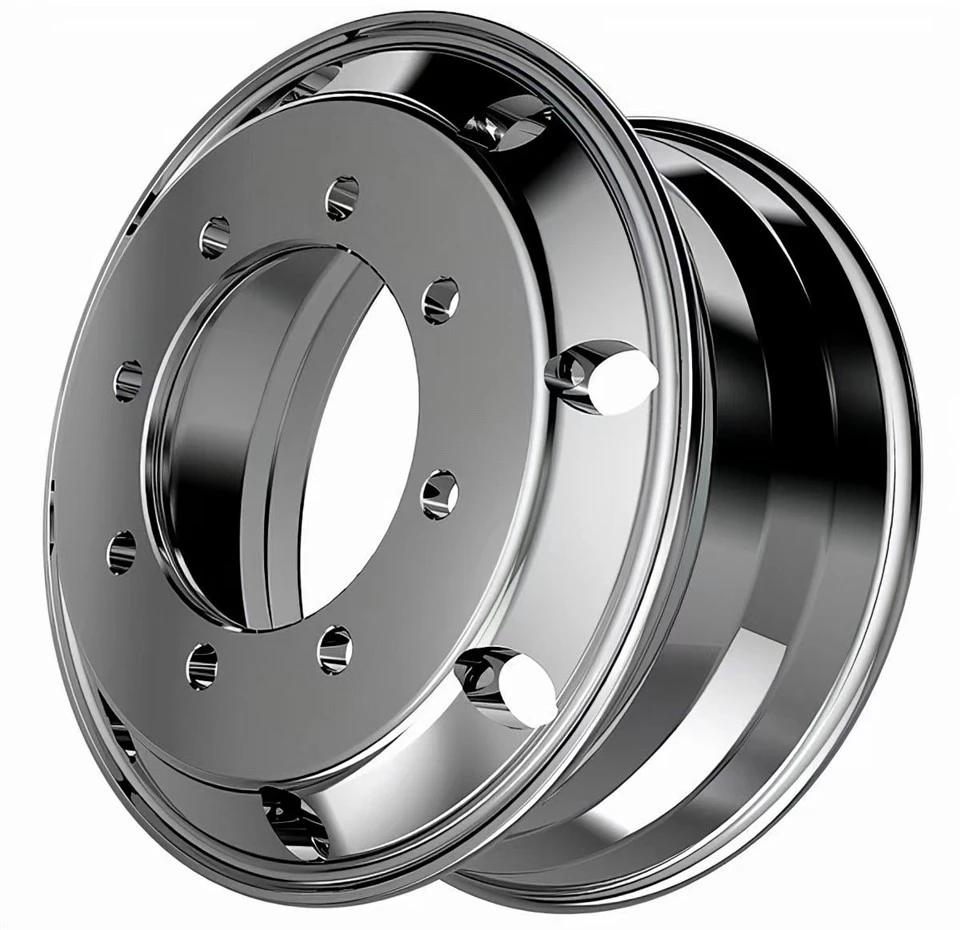
Misalignment: Wheel misalignment refers to the improper positioning of the wheels relative to each other and the vehicle's body. This can be caused by hitting a pothole, curb, or other road hazards, as well as normal wear and tear. Misaligned wheels can cause uneven tire wear, reduced fuel efficiency, and vibrations.
Tire Wear: Over time, tires can wear unevenly due to factors such as improper inflation, aggressive driving, and road conditions. Uneven tire wear can lead to variations in tire diameter, which can cause vibrations as the wheels rotate.
Wheel Damage: Wheels can be damaged by impacts with potholes, curbs, or other objects on the road. This damage can include dents, bends, or cracks, which can affect the wheel's balance and cause vibrations.
Alloy Wheels vs. Other Types of Wheels
Alloy wheels are made from a combination of aluminum or magnesium and other metals, which makes them lighter and more durable than traditional steel wheels. The lightweight nature of alloy wheels offers several benefits, including improved fuel efficiency, better handling, and enhanced acceleration. However, some people believe that alloy wheels are more likely to cause vibrations than steel wheels.
Weight Distribution: One of the main advantages of alloy wheels is their uniform weight distribution. Unlike steel wheels, which can have inconsistencies in weight due to the manufacturing process, alloy wheels are typically cast or forged to ensure a more even distribution of mass. This can help reduce the likelihood of imbalance and vibrations.
Material Properties: Alloy wheels are made from materials that are more rigid and less prone to deformation than steel. This means that they are less likely to bend or warp under normal driving conditions, which can help maintain their balance and reduce vibrations.
Aerodynamics: Alloy wheels are often designed with aerodynamic features, such as spoke patterns and rim shapes, that can help reduce drag and improve fuel efficiency. These features can also help reduce the likelihood of vibrations by minimizing the effects of wind resistance on the wheels.
Factors Affecting Vibration in Alloy Wheels
While alloy wheels offer several advantages in terms of weight distribution, material properties, and aerodynamics, there are still factors that can contribute to vibrations in alloy wheels.
Installation: Proper installation is crucial to ensuring the balance and alignment of alloy wheels. If the wheels are not installed correctly, they can become imbalanced or misaligned, leading to vibrations. It's important to have alloy wheels installed by a professional who has the necessary tools and expertise to ensure a proper fit.
Tire Selection: The type and quality of tires used with alloy wheels can also affect the likelihood of vibrations. It's important to choose tires that are compatible with the alloy wheels and are properly inflated. Using low-quality or mismatched tires can increase the risk of imbalance and vibrations.
Road Conditions: The condition of the roads you drive on can also have an impact on the likelihood of vibrations in alloy wheels. Rough roads, potholes, and other road hazards can cause damage to the wheels and tires, leading to vibrations. It's important to drive carefully and avoid rough roads whenever possible.
Addressing Vibrations in Alloy Wheels
If you experience vibrations in your alloy wheels, there are several steps you can take to address the issue.
Balance the Wheels: The first step in addressing vibrations is to have the wheels balanced. This involves adding small weights to the wheels to counteract any imbalance. A professional wheel balancing service can ensure that the wheels are properly balanced and reduce the likelihood of vibrations.
Align the Wheels: If the vibrations persist after balancing the wheels, it may be necessary to have the wheels aligned. Wheel alignment involves adjusting the angles of the wheels to ensure that they are parallel to each other and perpendicular to the ground. This can help reduce uneven tire wear and vibrations.
Inspect the Tires: It's important to regularly inspect the tires for signs of wear and damage. If the tires are worn unevenly or have damage, they should be replaced as soon as possible. This can help reduce the likelihood of vibrations and improve the overall performance and safety of the vehicle.
Check for Wheel Damage: If you suspect that the wheels are damaged, it's important to have them inspected by a professional. A damaged wheel can cause vibrations and pose a safety risk. If the wheel is damaged beyond repair, it should be replaced.
Conclusion
In conclusion, alloy wheels are not more likely to cause vibrations than steel wheels. In fact, the uniform weight distribution, rigid material properties, and aerodynamic design of alloy wheels can help reduce the likelihood of imbalance and vibrations. However, factors such as improper installation, tire selection, and road conditions can still contribute to vibrations in alloy wheels. By following proper installation procedures, choosing high-quality tires, and driving carefully, you can minimize the risk of vibrations and enjoy the many benefits of alloy wheels.
If you are interested in purchasing alloy wheels for your vehicle, I invite you to explore our wide range of products, including 19.5X7.5 Steel Tubeless Wheel, 14 Inch Aluminum Trailer Wheels, and 6.5-20 Steel Tube Wheel. Our team of experts is available to assist you in selecting the right wheels for your needs and ensuring a proper fit. Contact us today to start your procurement negotiation and experience the difference that alloy wheels can make.
References
- "Wheel Balancing and Alignment." Bridgestone.
- "Alloy Wheels: Benefits and Considerations." Tire Rack.
- "How to Identify and Fix Wheel Vibrations." YourMechanic.
Send Inquiry